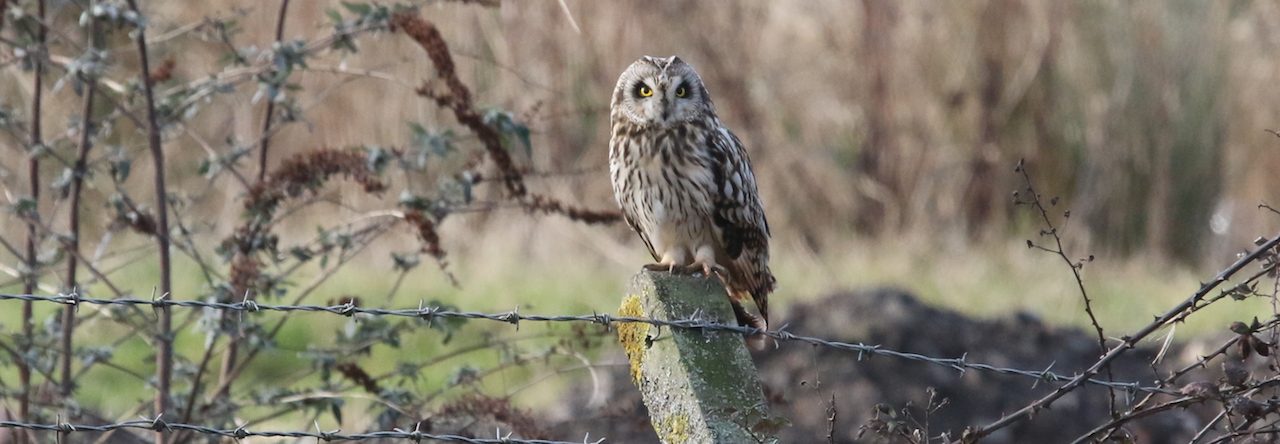
A rare short visit this morning to walk the dog whilst my wife attended an appointment at UHW. There were 5 Little Egrets at the north end, 2 by the S. end of the island and 3 at the north end by Wild Gardens Road. There were also 2 Grey Herons and 2 Cormorants in the trees there.
Author: John Wilson
Birder and traveller
Peterston Moors
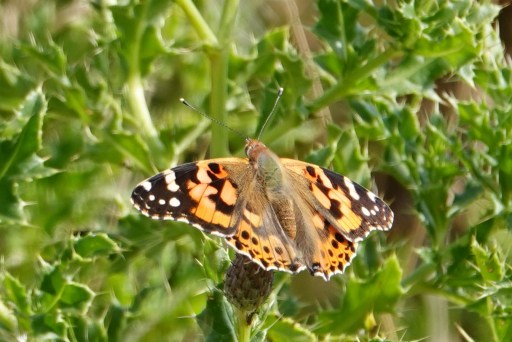
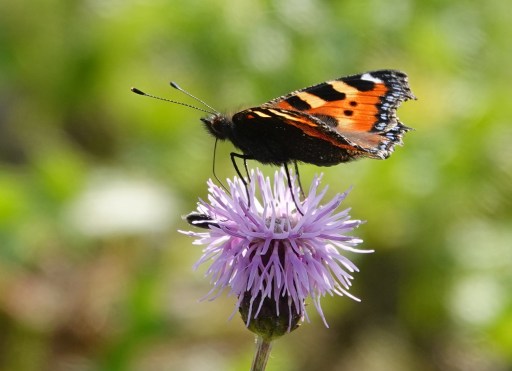
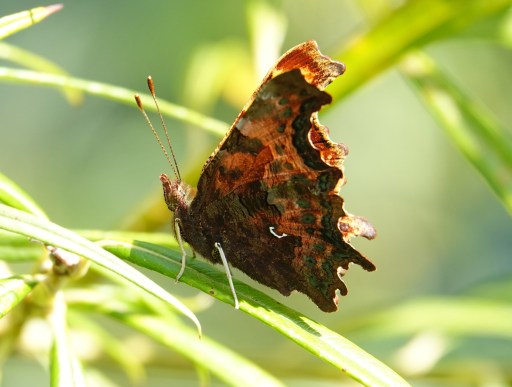
An amazing count of 22 members met up at Peterston-super-Ely for an amble along the R. Ely floodplain, hoping to see Green Sandpipers. Club member John Duffy acted as our guide as it’s his WeBS count location – thanks John. At their favoured meander in the river we were awarded with flight views of 5, or poss 8 birds giving their strident shrill “weet weet weet-a-weet” call, looking like giant House Martins with their bright white rumps. Other highlights were Red Kite, Stock Doves, Spotted Flycatcher, 2 Great Spotted Woodpeckers and a selection of common species. Butterflies included 2 Painted Ladies, several Small Copper and a Clouded Yellow. Some photos below for the record.
Click here for the full list. 32 species seen or heard.

Bryngarw CP 7 Aug 2025
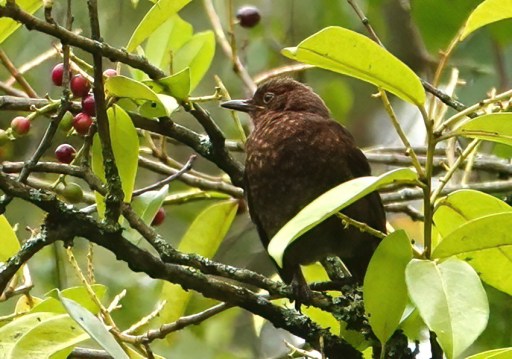
Twelve hardy participants met up at Bryngarw Country Park for this weekday field trip. It wasn’t looking too promising as I encountered heavy drizzle on the way. Our wanderings started off OK but we were drizzled upon as we did a full circuit of the park, taking in the woodland, open areas, boardwalk and riverside path. One target bird, for yours truly at least, was Spotted Flycatcher, a species harder to encounter these days. The most noticeable thing during the walk was how quiet it was. Birds were few and far between. A few active Nuthatches were the first seen, in trees near the car park, and a Great Spotted Woodpecker flew over, giving a brief ‘chick!’ call. There were plenty of Robins which were characteristically vocal, but other avian vocalisations were few. Two juv Blackbirds were feasting on berries in the woodland section. As we descended towards the boardwalk area, some movement was spotted in a couple of very tall Ash trees, and the behaviour suggested Spotted Flycatcher, due to the looping sorties. They never showed very well but in a brief perched view a few folk saw the upright stance and very fine bill. The trees were very tall so the views weren’t the best. In the open field beyond the boardwalk we stood in the by now heavy drizzle and eventually found a smart male Stonechat and a Wren. Down by the river Garw we had nice views of a Grey Wagtail, but we ‘dipped’ on Dipper. Tim Adcock & I had a brief view of a fly-catching sortie by another ‘Spot Fly’ which then promptly disappeared. Chaffinches were ground feeding by the small lake and 2 Moorhens were amongst the many eclipse plumage Mallards, and a Lesser Black-backed Gull was very vocal. It wasn’t a raptor day, but 2 Ravens flew over, cronking. More drizzle arrived so we called it a day and some went home and a few of us retired to the café for a coffee and snack. John Wilson
The day’s total was a paltry 23 species – click here for the list


Bryngarw CP
Another day, another field trip. 12 members met up at Bryngarw Country Park today and we had a dull damp wander around the different sections of the park. The birds were noticeable by their absence, or at least lack of activity. Highlights were Spotted Flycatcher, with rather brief and difficult views right up in the canopy of a very tall Ash tree. A Nuthatch family group was quite active near the car park, a male Stonechat braved the heavy drizzle in an open area and a Grey Wagtail was on the river. John Wilson.
PS it was not a raptor day, so the only large birds overhead were Herring and Lesser Black-backed Gulls, and a couple of Ravens ‘cronked’ their way over too.
We managed to log 23 species – https://drive.google.com/…/14DOLE4mo5jV7dEcOxnH…/view…
July 2025
Kenfig: No fewer than eight Cattle Egrets were recorded, including a group of six briefly at Sker (23rd). A maximum of three Great White Egrets was present. An Osprey passed through (20th) and a Marsh Harrier was seen at the Pool. Wader movement included several Little Ringed Plovers, around 20 Black-tailed Godwits, two Greenshanks and a Green Sandpiper.
Other sites: A Marsh Harrier was noted flying west over Broadlands, Bridgend. Ogmore Estuary held Little Ringed Plover, five Black-tailed Godwits, Greenshank and two Green Sandpipers. A migrant Pied Flycatcher was at Mynydd Maendy, Treorchy. A Willow Tit was found at a ‘new’ location in the Llynfi Valley. Up to 19 Choughs were frequenting the Heritage Coast, with one also seen at Sker.
Summery by Paul Roberts
Cardiff Bay barrage
Cardiff end of the barrage late morning, in old Buddleia bushes on far side of the old feeder dock, there was a feeding flock containing 1 Lesser Whitethroat, 2 juv Common Whitethroat, 1 fem/imm Blackcap, Long-tailed and Blue Tits and a Willow Warbler. No Sand Martins.
Nash Point & environs 27 Jul 2025
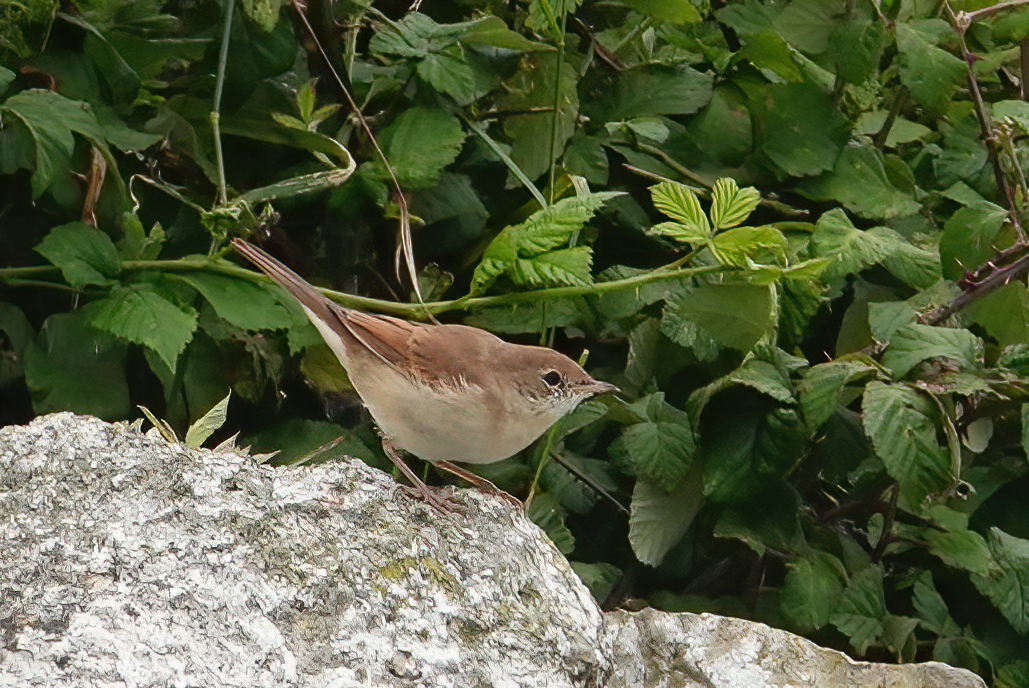
11 GBC members attended the re-jigged Nash Point [rather than Rhossili] field trip this morning. We walked 7.5 km in a circular walk E along the cliffs round the back of Atlantic College then back across the inland fields. Our luck was in and more or less the first birds we saw were 2 Chough feeding on the grass by the lighthouse. They were some way ahead and they disappeared but whilst we were looking around near where they’d been, they were spotted sitting on the roof of one of the lighthouse buildings just above us, allowing great views – and photos. We logged [edit] 42 species. Other highlights were Red Kite, two famiy groups of Stonechat and some smart juv Whitethroats. A big thanks to all who attended. The Chough were new birds for a recently joined member who only moved to S Wales in May, so that was a big positive. Click here for the list [small pdf file].




Cosmeston
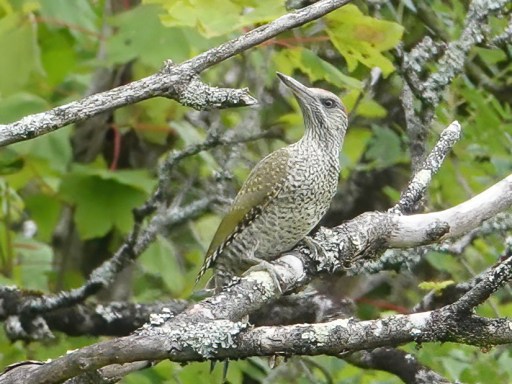
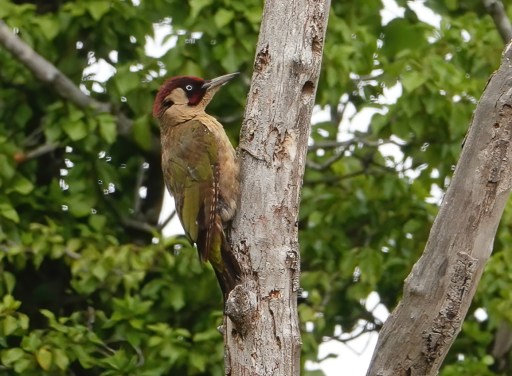
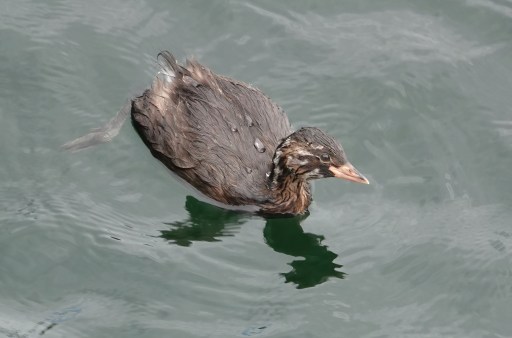
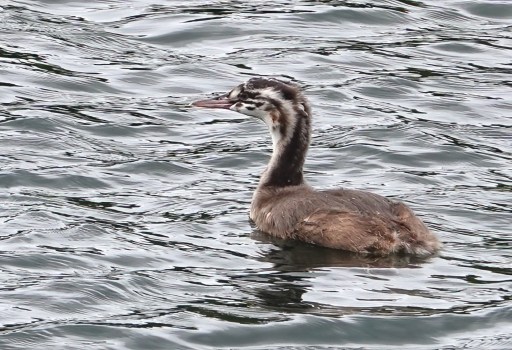
On a walk round this morning, best birds were adult male and juvenile Green Woodpeckers in adjacent trees, a nice close juv Little Grebe and a juv Great Crested Grebe by the main bridge, where there was also an adult Grey Heron sitting in a tree.
Field trip 27 July – Nash Point & environs
We have had to change the venue for next weekend’s outing, which was due to be at Rhossili/Worms Head. However due to the fire at the hotel there, there are restrictions on access and parking although these may reduce as the week goes on.
However, to avoid any confusion, the venue will now be Nash Point [where there is similar habitat, and still includes the chance of seeing Chough].
Meet at 9 a.m. or thereabouts, at the Nash Point car park [where there is small charge collected at the cafe there]. There are also seasonal public loos.
Length of outing is open so bring a snack and plenty of drink. Plse email John Wilson if you wish to attend – johndw1948 at gmail dot com
Llanilid
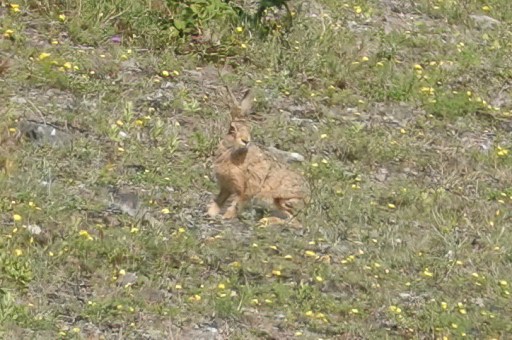
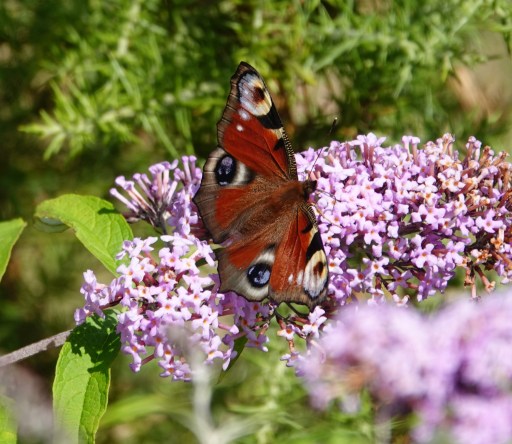
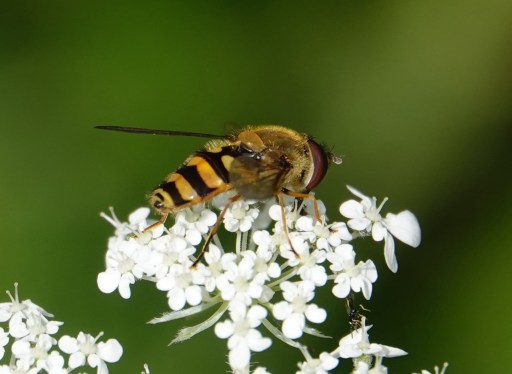
Nine GBC members explored the old Llanilid open cast area this morning, with member Rob Jones leading us around his local patch – thanks Rob!. It was pretty hot and humid for most of the time and we only managed to log 22 species.Sadly neither Little Ringed Plover nor Lapwing, both of which breed at the site, were seen. The highlight was undoubtedly the Brown Hare sitting distantly in the field where we were looking for the Lapwings. There were plenty of butterflies, with Peacock, Red Admiral, Gatekeeper, Speckled Wood, Meadow Brown and Common Blue noted. Other winged wildlife comprised plenty of hoverflies on the patches of umbellifers. I’m afraid the heat got to me, and I’m very grateful to Ed Heery who carried my ‘scope for me on the return leg, and for the energy bar that Jan supplied. No birdy pix I’m afraid but hopefully these are of interest. I am seeking advice on the ID of the ‘sp’ hoverflies, from the Hoverflies FB group. The Marmalade Hoverfly is Episyrphus balteatus. John Wison



Cosmeston
From 27 June: a Sparrowhawk carrying prey, flew over W paddock.
4th July – a fem/imm Redstart flew out of the snipe paddock as I was walking through the ‘cut’ and settled in the scrub to the right. In W lake bay a Little Grebe chick showed briefly and a breeding plumage Black-headed Gull was on the posts.
5th July – an adult Grey Heron was by the N shore of E lake
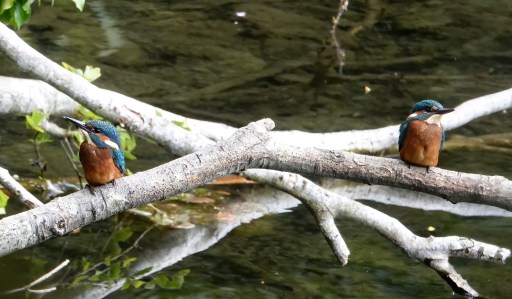
Today, 6th July: Anne spotted a Kingfisher briefly by the main bridge – the usual flash of blue across the water. On checking the small sheltered bay on E lake by the bridge, there were 2 Kingfishers sitting on a dead tree branch in the water. Both have all black bills so they’re either juveniles or males. The latter seems unlikely unless they’re both fully grown male juvs.

East Glamorgan Bird Report 2023
We are pleased to be able to announce the publication of our 2023 Bird Report, which is linked below. We are immensely grateful to the current editor, Ceri Jones and all involved, for turning this one around in 6 months, as we strive to catch up. We aim to do the same with the 2024 report, the last one that Ceri will be editor for.
Click this link to access a downloadable copy. It’s a 6MB pdf.
Cosmeston
A surprise Cuckoo flew out of cover and posed in a dead tree in the snipe enclosure this morning. A rubbish photo as it was about 75m away if not more, so taken at max zoom and even then, cropped massively. It did not vocalise. The last one I saw at Cosmeston was in June 2020 in roughly the same area. More recently there was 1 at Sully in May 2021 and 1 at Lavernock reserve in June 2023.

Cosmeston
Yesterday morning, 2 Stock Dove flew over W paddock. This morning, 2 Ravens were over Cogan Wood, and a Lesser Whitethroat was singing on and off in scrub near the snipe paddock [100m beyond the dragonfly on on the right]. Reed Warblers still singing by dipping pond and in reeds nr the cafe. Lots of Ringlet butterflies on the wing.
Cosmeston
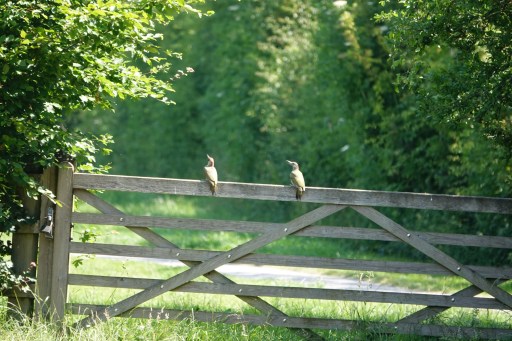
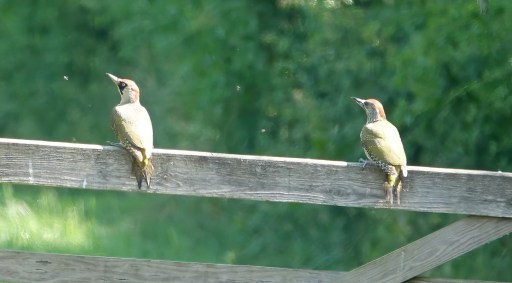
An adult and a juvenile Green Woodpecker at Cosmeston this morning. The bird on the right is a juvenile [no black moustache and a streaky face]. The other is a female [solid black moustache – a male would have a red streak down the middle of the ‘tache]. This was near the dipping pond, where I’ve seen an ad a couple of times recently, so I reckon they nested in the copse nearby.
Llanishen & Lisvane Reservoirs – bird list for 2024
For anyone who visits Llanishen & Lisvane Reservoirs, the list below should be of interest. It has been complied by 3 regular birders there – Nick McNeil-Watson, Phil Bristow and Simon Lawrence. It’s a complete list of all species seen at the reservoirs in 2024, and illustrates its importance as an oasis for birdlife in the city. Well done guys!
The embedded pdf below is scrollable – the list is 2 pages.
Cosmeston 9th June
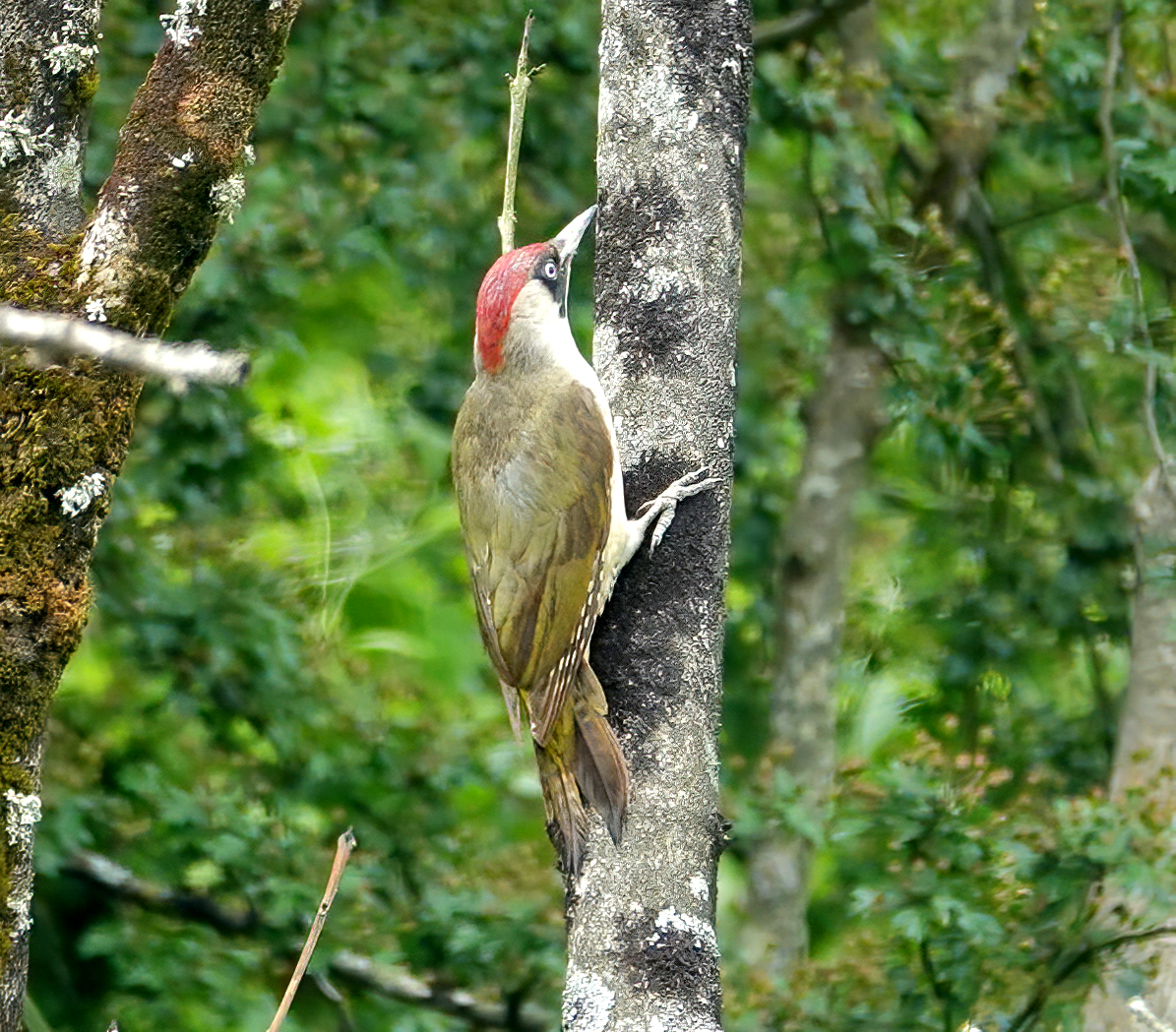
Monday at Cosmeston. A Green Woodpecker was foraging as they do, on the ground near the dragonfly pond. It flew up into a tree and I managed to creep out of view to behind a bush and got some nice shots. They’re easily spooked.!


Field trip to Ham Wall & Shapwick 8 June ’25
Following Martin’s post about his sighting of a circling White Stork whilst most of us were in the Avalon hide, here’s a quick overall resumé.
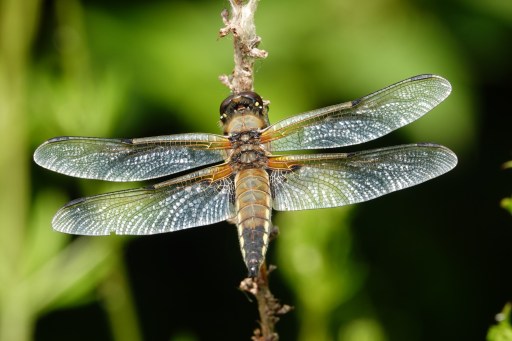
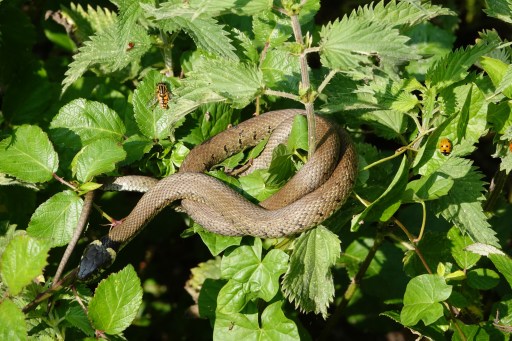
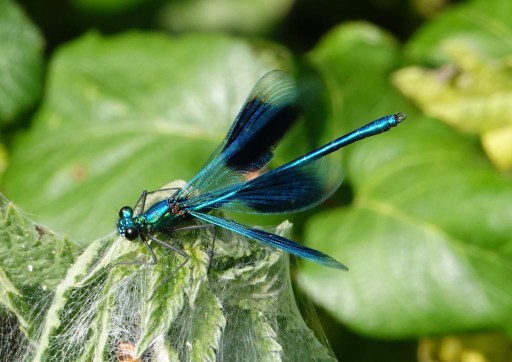
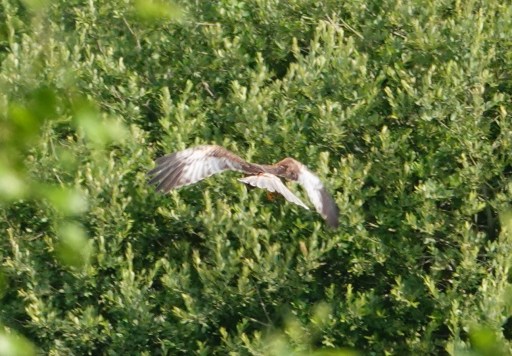
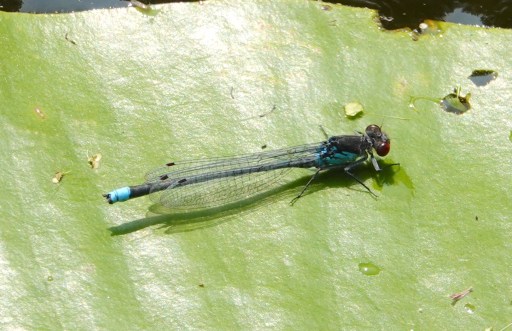
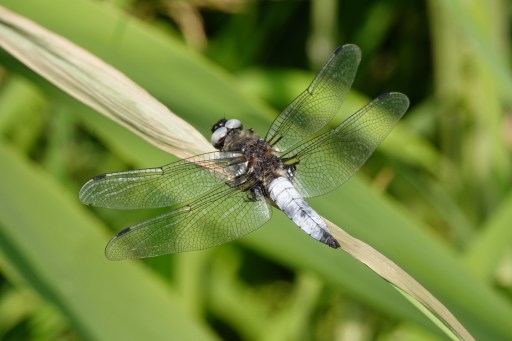
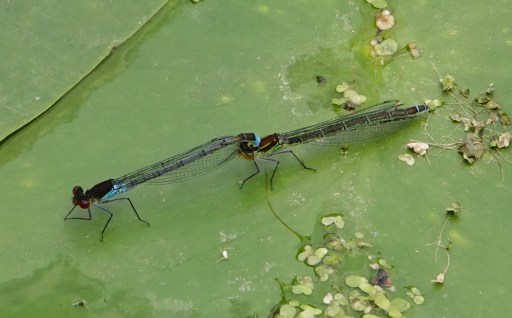
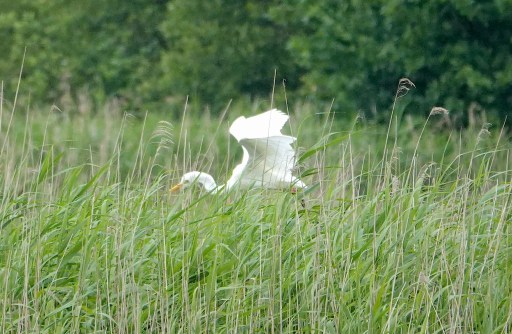
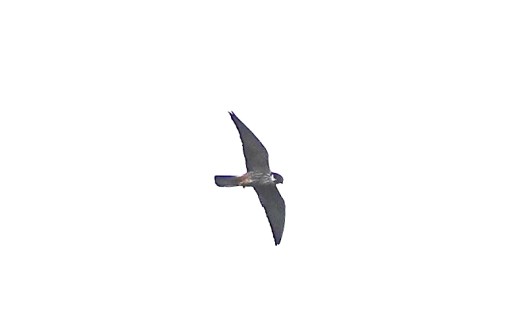
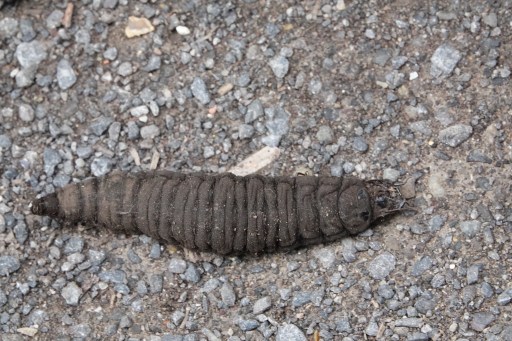
14 members enjoyed a successful trip to the Somerset Levels and Ham Wall RSPB reserve yesterday. We saw [or in some cases heard] 60 species including the key birds of Bittern, Hobby, Marsh Harrier, Great White and Little Egrets and in the case of two lucky observers, a circling White Stork! The numbers of dragonflies and damselflies present was impressive. Birds are usually quite distant hence only a couple of poor photos, but below are some nice odonata shots. Here’s the full bird list:
https://drive.google.com/file/d/1yW0IRUBj-Lq-mKsdS_TjUxbzrchn_eVl/view?usp=drive_link
May 2025
Kenfig NNR: A Golden Oriole was at the Pool, but soon lost to view in dense cover and not relocated (25th). Waders included Wood Sandpiper (1st), two Ruff and two Greenshank. A Cattle Egret and at least two Great White Egrets were present. A Hen Harrier was seen arriving in off the sea (14th). A Storm Petrel, three Great Northern Divers and an Arctic Skua were observed off Sker.
Other sites: An Alpine Swift moved quickly through over Splott, Cardiff (25th). Four Dotterels, which were found at Cefn Cadlan on April 30th, remained until the second week, with one lingering until the 18th. Seawatching efforts at Lavernock produced Pomarine Skua (3rd), Sabine’s Gull (25th) and two Storm Petrels, while Porthcawl turned up Great Skua, Arctic Skua and two Storm Petrels. Hobbies were seen over Bridgend and Heol-y-Cyw. A Hawfinch was noted in Penarth.
Summary by Paul Roberts
Castell Nos field trip
A belated brief report of our club field trip to the Castell Nos upland area north of Maerdy. This was led by club member Ceri Jones, who is familiar with the area, and co-led by Alan Rosney. {Edit} There were a pleasing 23 participants. Highlights were 4 Cuckoos, Whinchat, Redpoll, Crossbill, Tree Pipit and Peregrine, out of 39 species seen. The list below was compiled by participant John Western – thanks John. I was away and unable to go …. sadly {John W}
Species list: Canada Goose, Mute Swan, Woodpigeon, Cuckoo, Buzzard, Kestrel, Peregrine Falcon, Carrion Crow, Raven, Coal Tit, Great Tit, Skylark, Sand Martin, Swallow, Willow Warbler, Chiffchaff, Blackcap, Whitethroat, Goldcrest, Wren, Mistle Thrush, Song Thrush, Blackbird, Robin, Whinchat, Stonechat, Wheatear, Dunnock, Grey Wagtail, Pied Wagtail, Meadow Pipit, Tree Pipit, Chaffinch, Bullfinch, Linnet, Redpoll, Crosshill, Goldfinch, Siskin.
Non avian wildlife seen was as follows:
Butterflies:- Peacock, Small Pearl – Bordered Fritillary, Small Heath, Green – veined White, Common Blue, Red Admiral, Painted Lady.
Moths:- Meadow Grass -moth, Oak Eggar ( larva), Plain Pollen -moth, Brimstone moth , Silver Ground Carpet, Common Heath.


You must be logged in to post a comment.