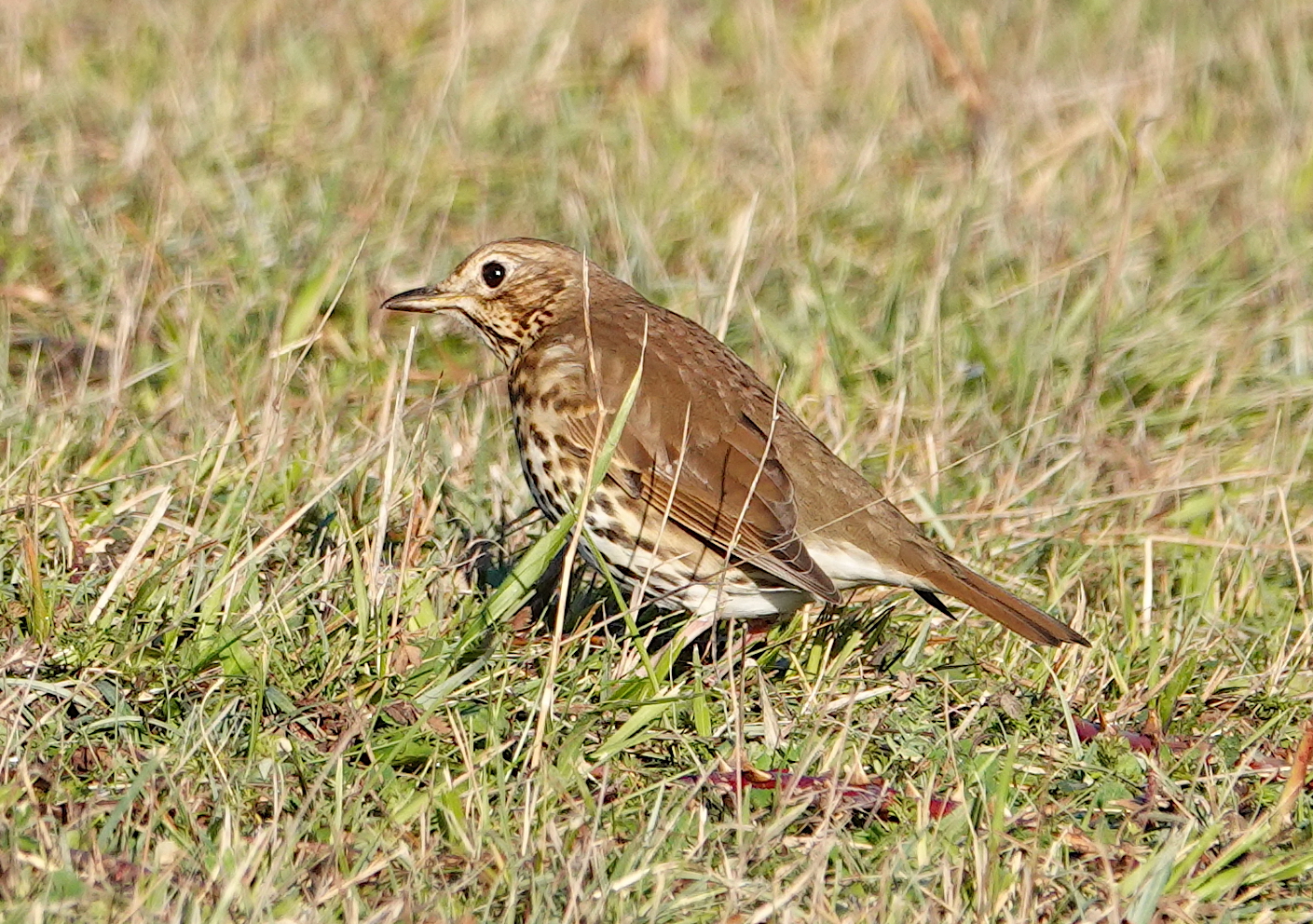
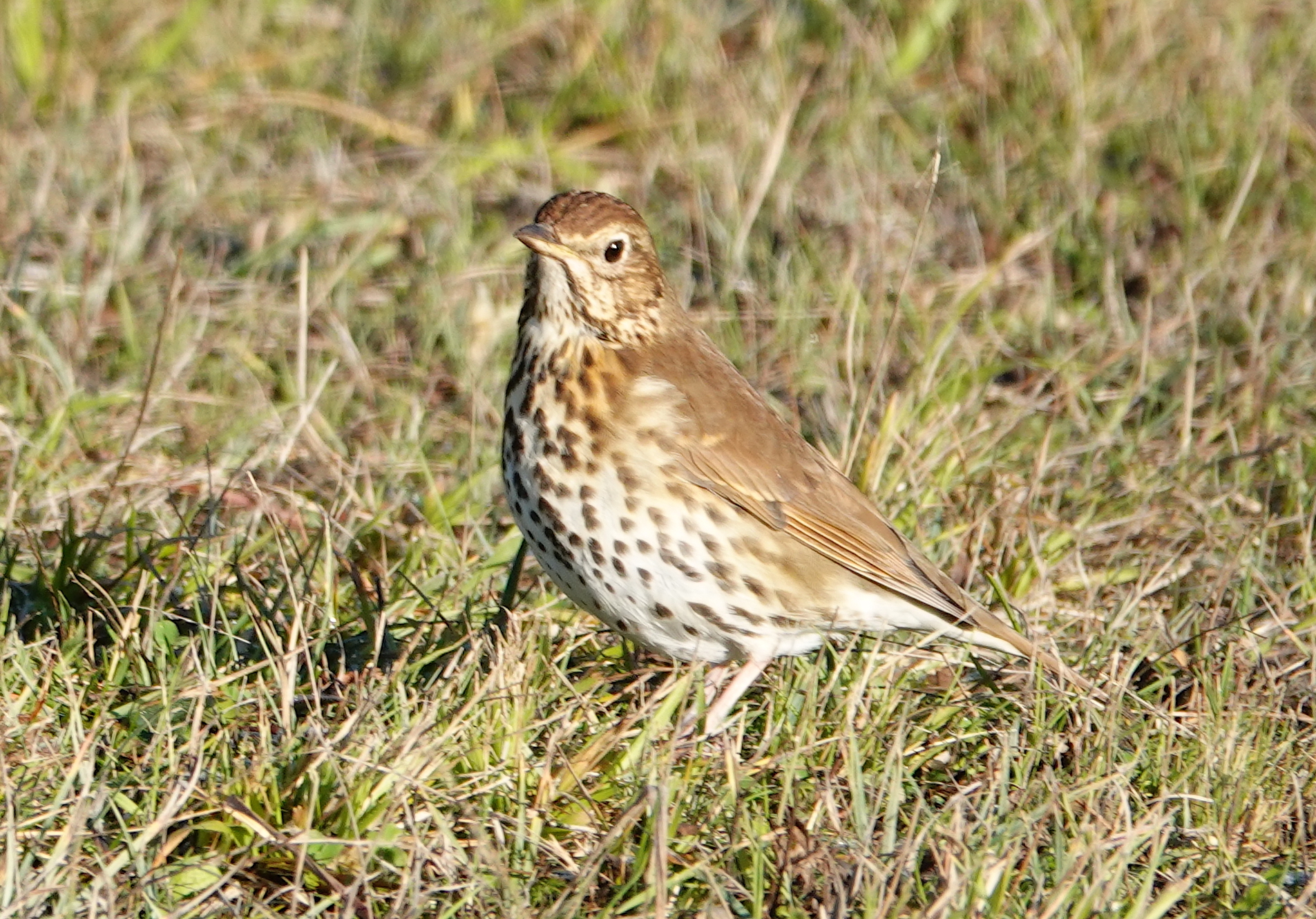
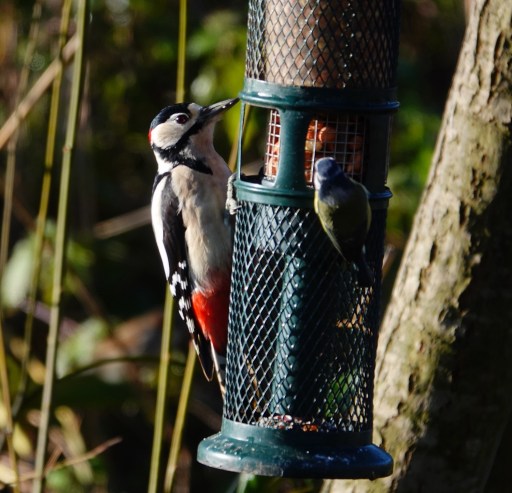
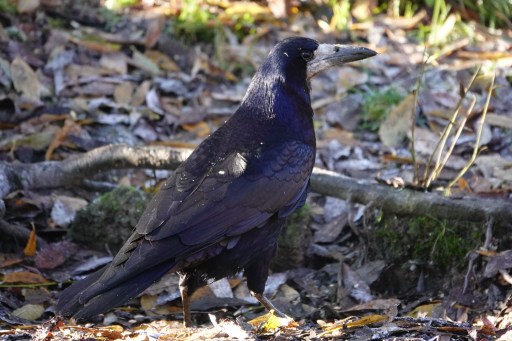
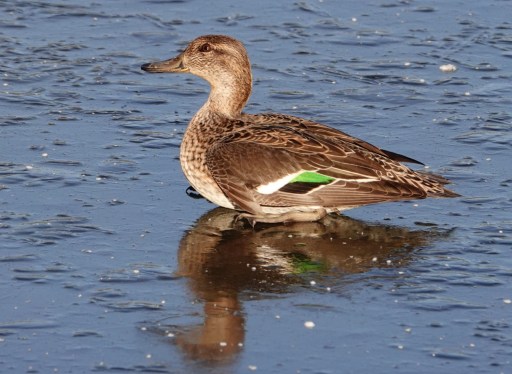
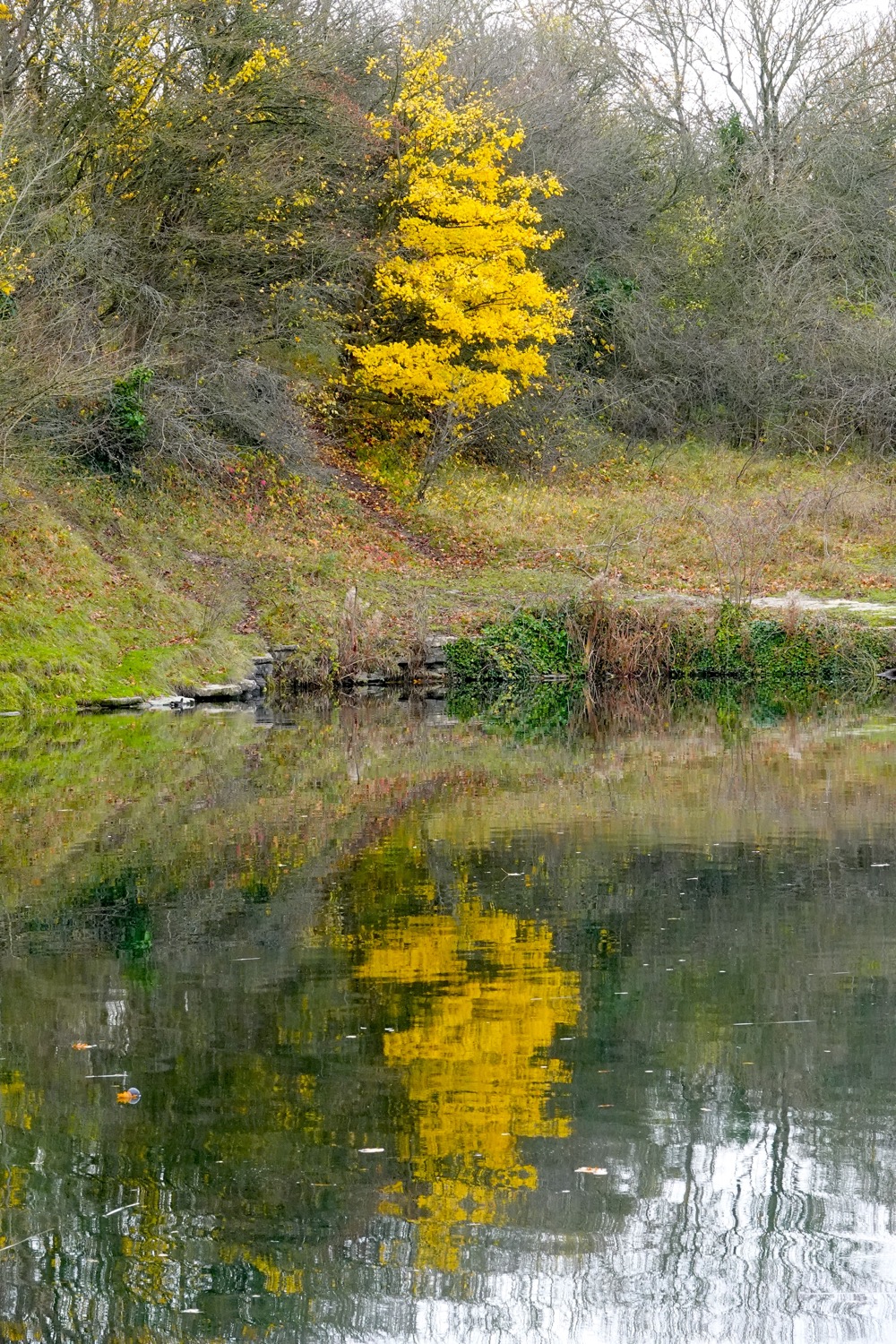
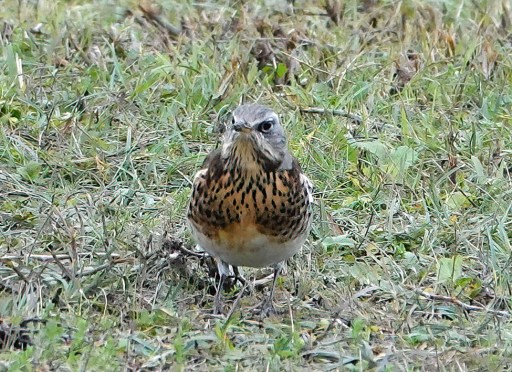
Minus 2 deg when I got to Cosmeston this morning. FIrst seen on west lake was a flock of c.60 Teal and two female Shovelers, the first I’ve seen here this winter. Part of the small bay around the posts was frozen over with a bunch of Black-headed Gulls sitting on the ice. In east paddock three Song Thrushes were feeding, one allowing a few photos.
Finally got to do my delayed WeBS count at Green Point this morning [delayed from Sunday 11th when I had a prior engagement]. Monday was a no go as Rover Way was closed and traffic was chaotic. First off were c.800 Redshank wiht about 20 Dunlin with them. As I’ve seen before they kept flying around and alighting on the water & swimming around befofre settling on the shore again. There was just 1 Curlew. Teal were present in good numbers with c.110, and other widlfowl comprised 50 Shelduck, 40 Shoveler, 24 Mallard, and 30 Pintail. It was v v cold with a stiff NE breeze.
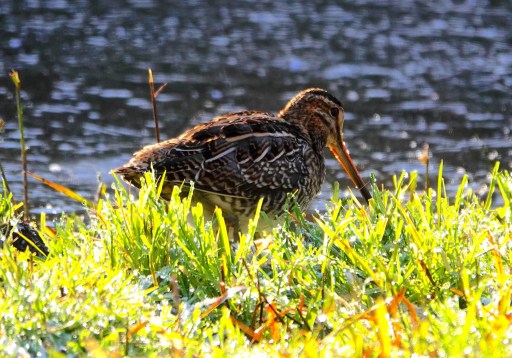
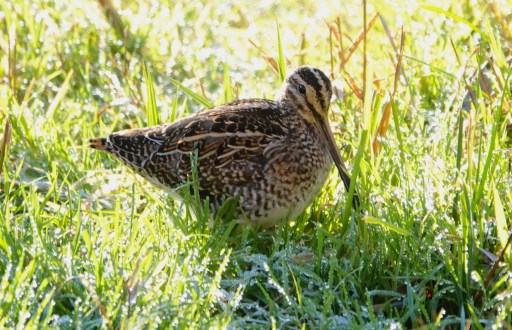
We had a successful Club trip to Slimbridge WWT today despite the cold and much of the wet areas there being frozen over. 14 participants logged a total of 65 species, highlights being a good number of the Russian race of White-fronted Geese, Barnacle Geese, Cranes, a 1stW drake Scaup, Peregrine, Kingfisher, Water Rail, a very obliging Snipe, and many others. A few pix of birds that were close enough, are below. Here’s a link to the trip list: https://drive.google.com/file/d/1NsWPXxVBs1SzsfAdCnqhcziHCdGlOLCb/view?usp=share_link
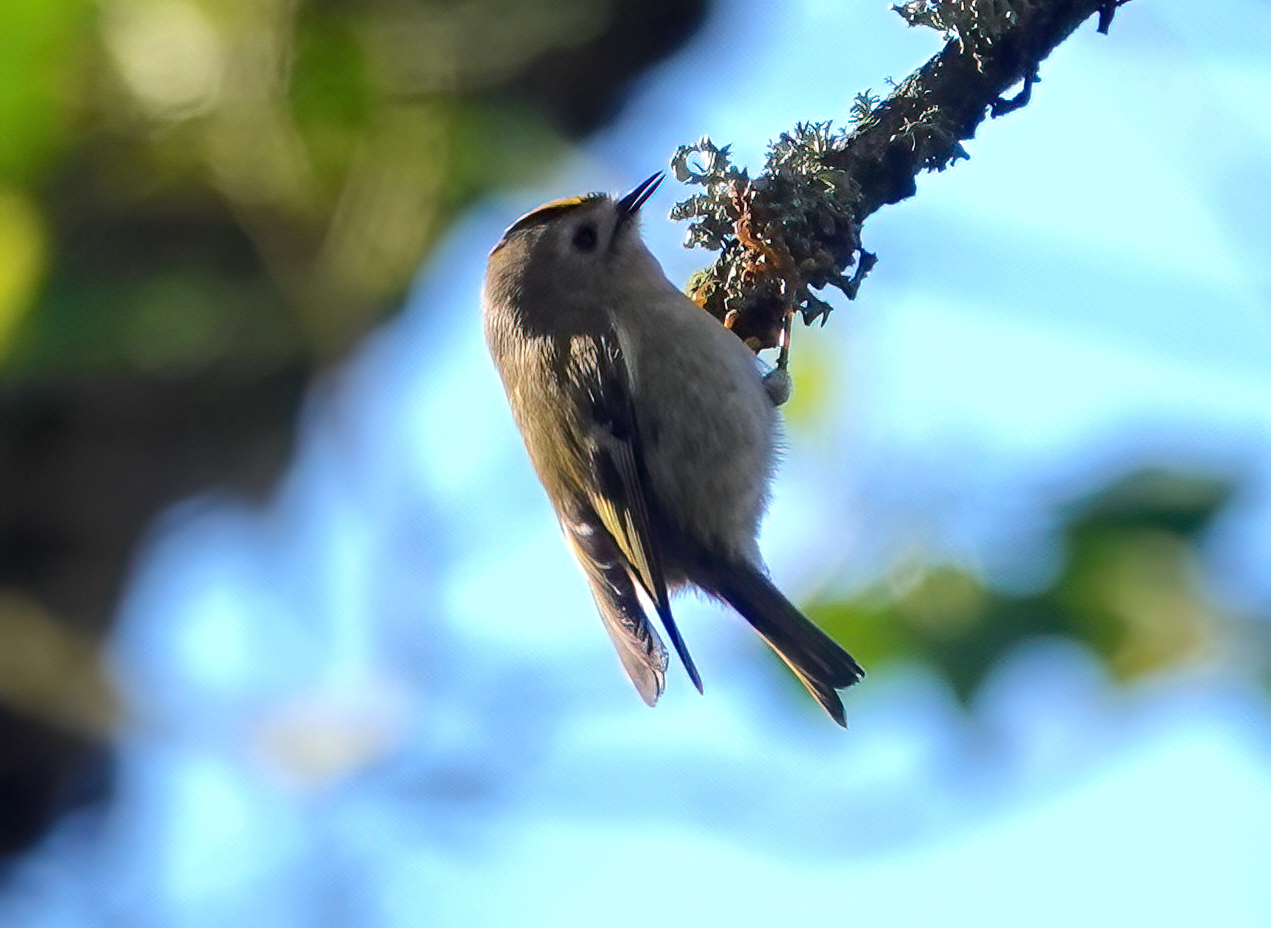
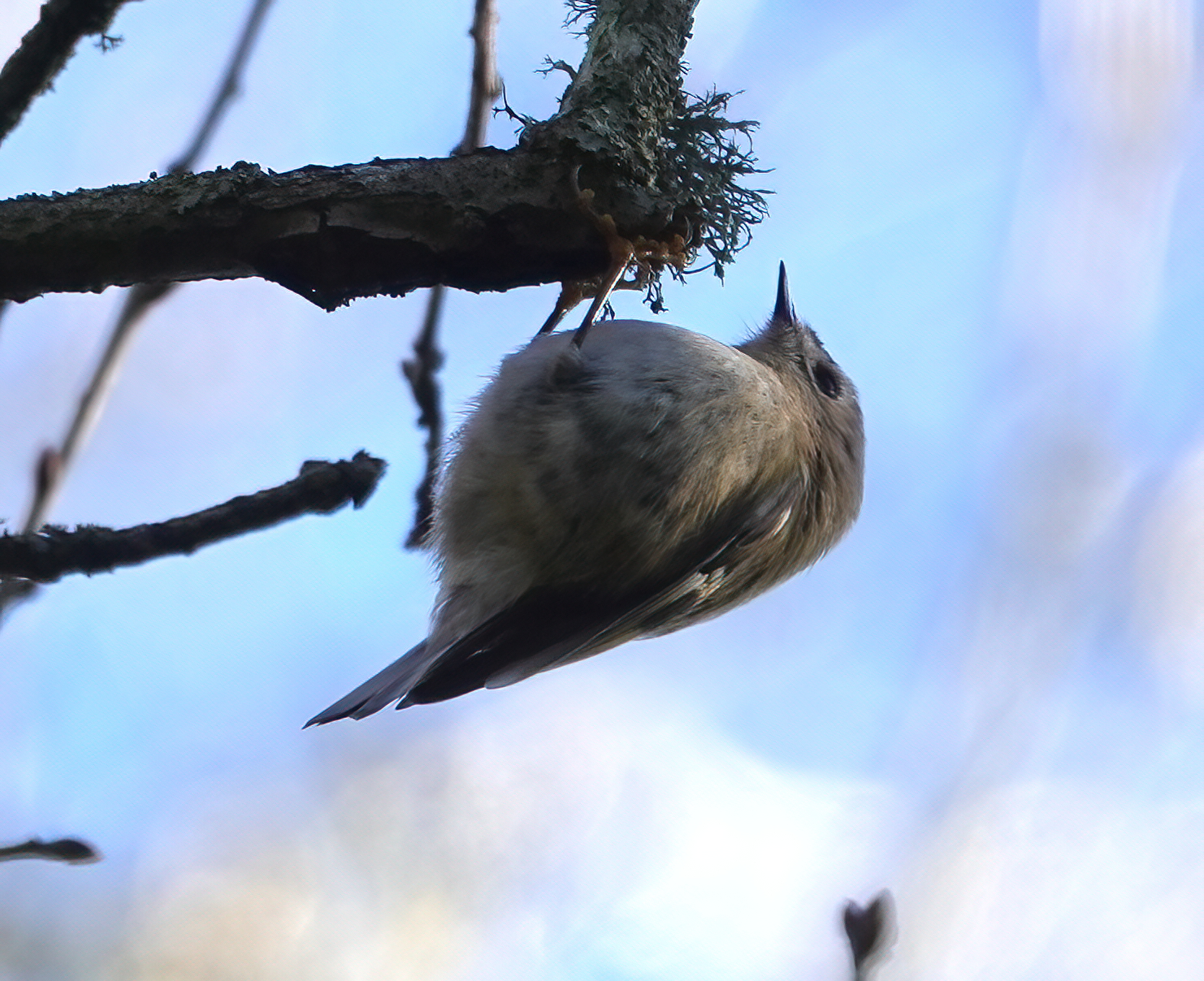
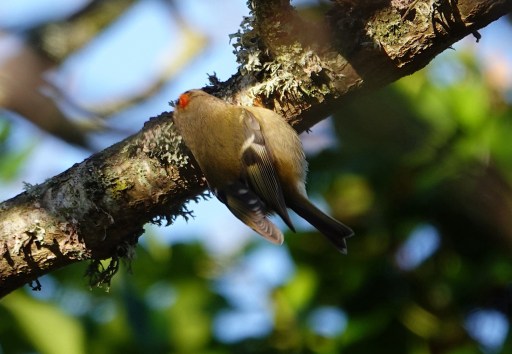
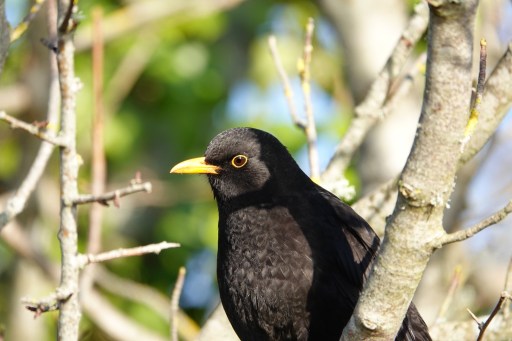
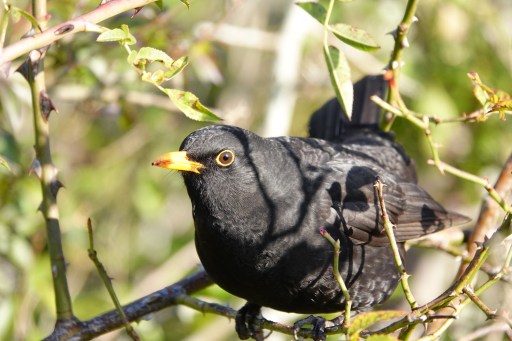
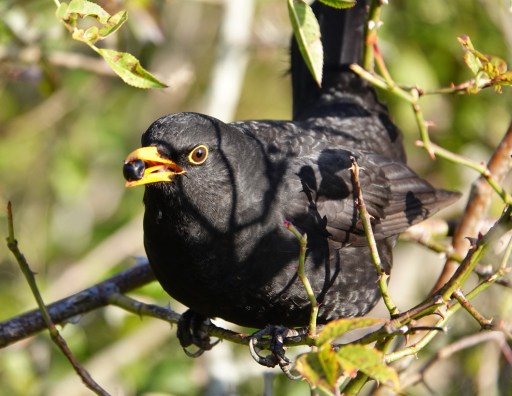
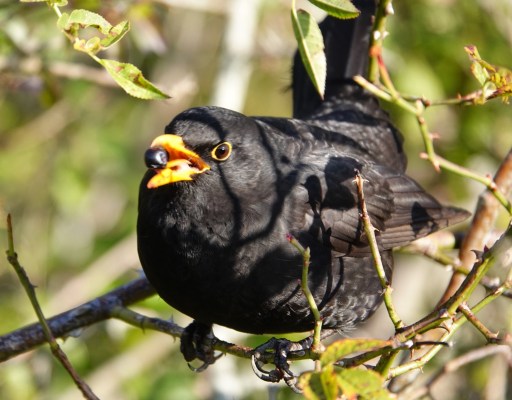
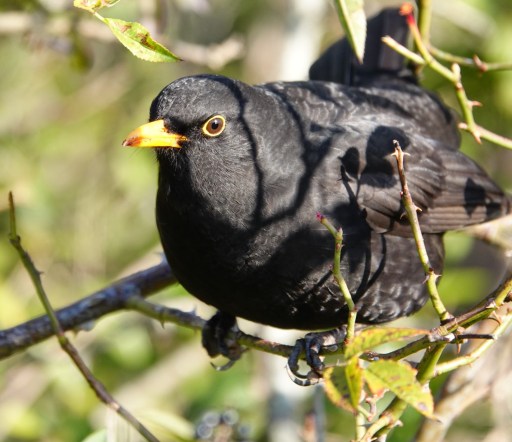
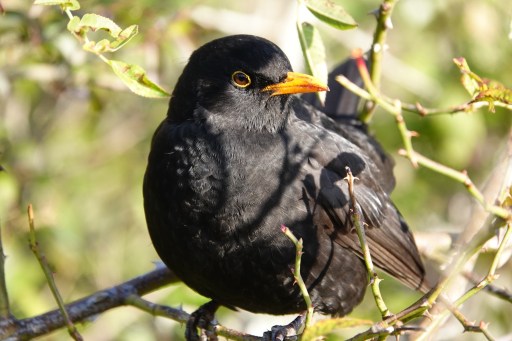
Had a walk round the reserve this morning for a change. First bird was a very busy Goldcrest although the only photo I got made it look like a Ruby-crowned Kinglet [USA!]. Also noted were 2 Bullfinch, a Green Woodpecker, Great and Blue Tits, and lots of Blackbirds, of which one was very confiding as it fed on Ivy berries.
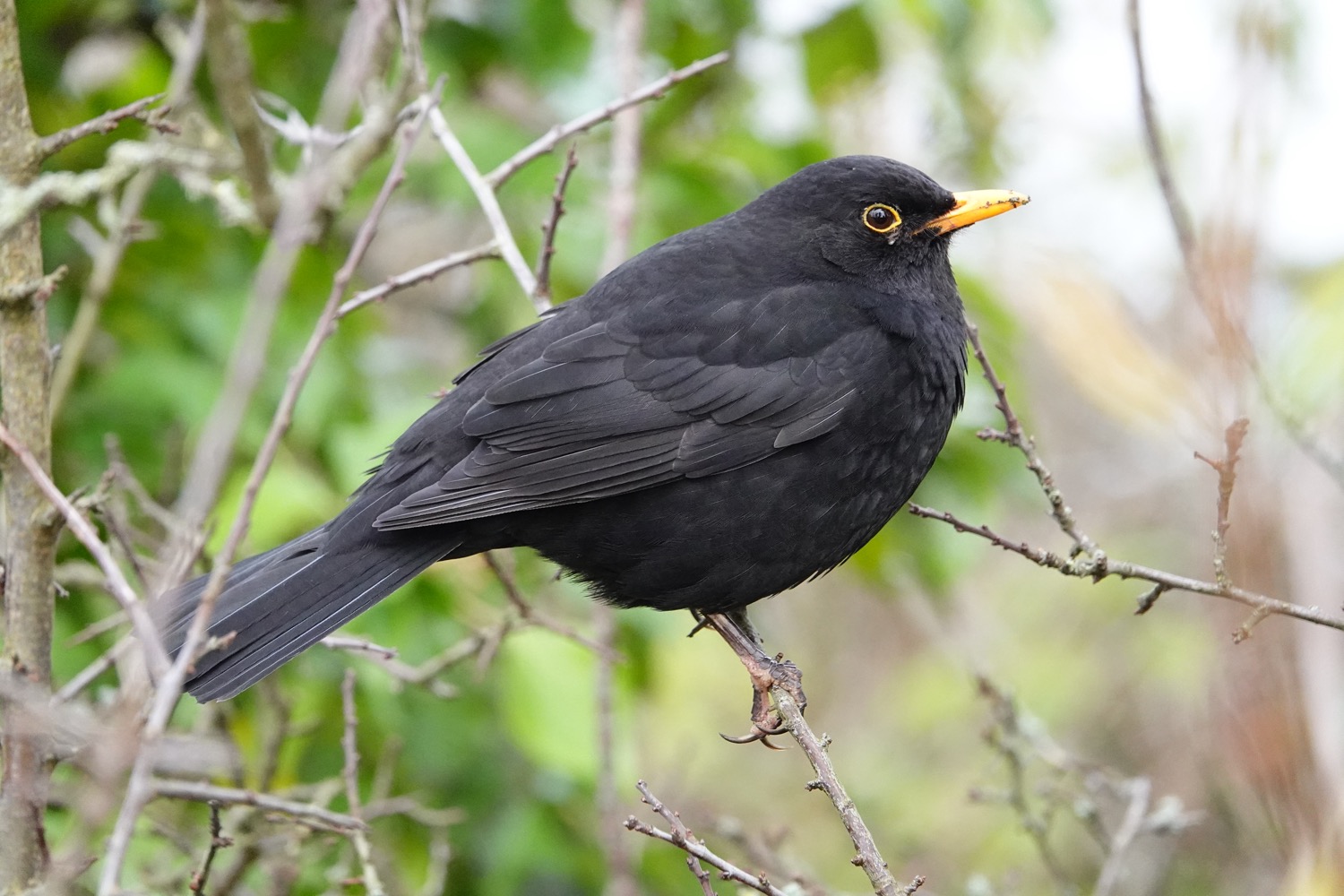
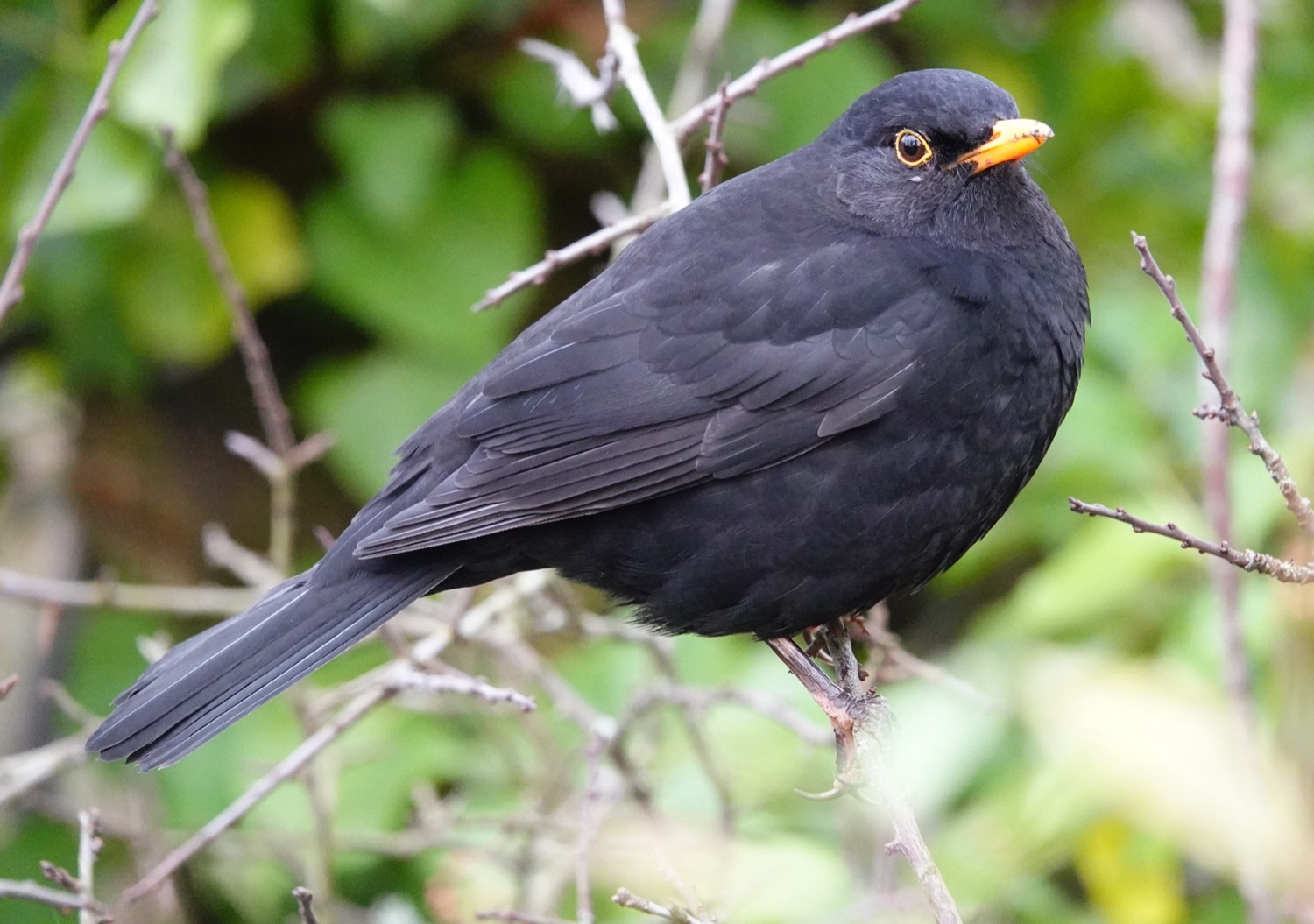
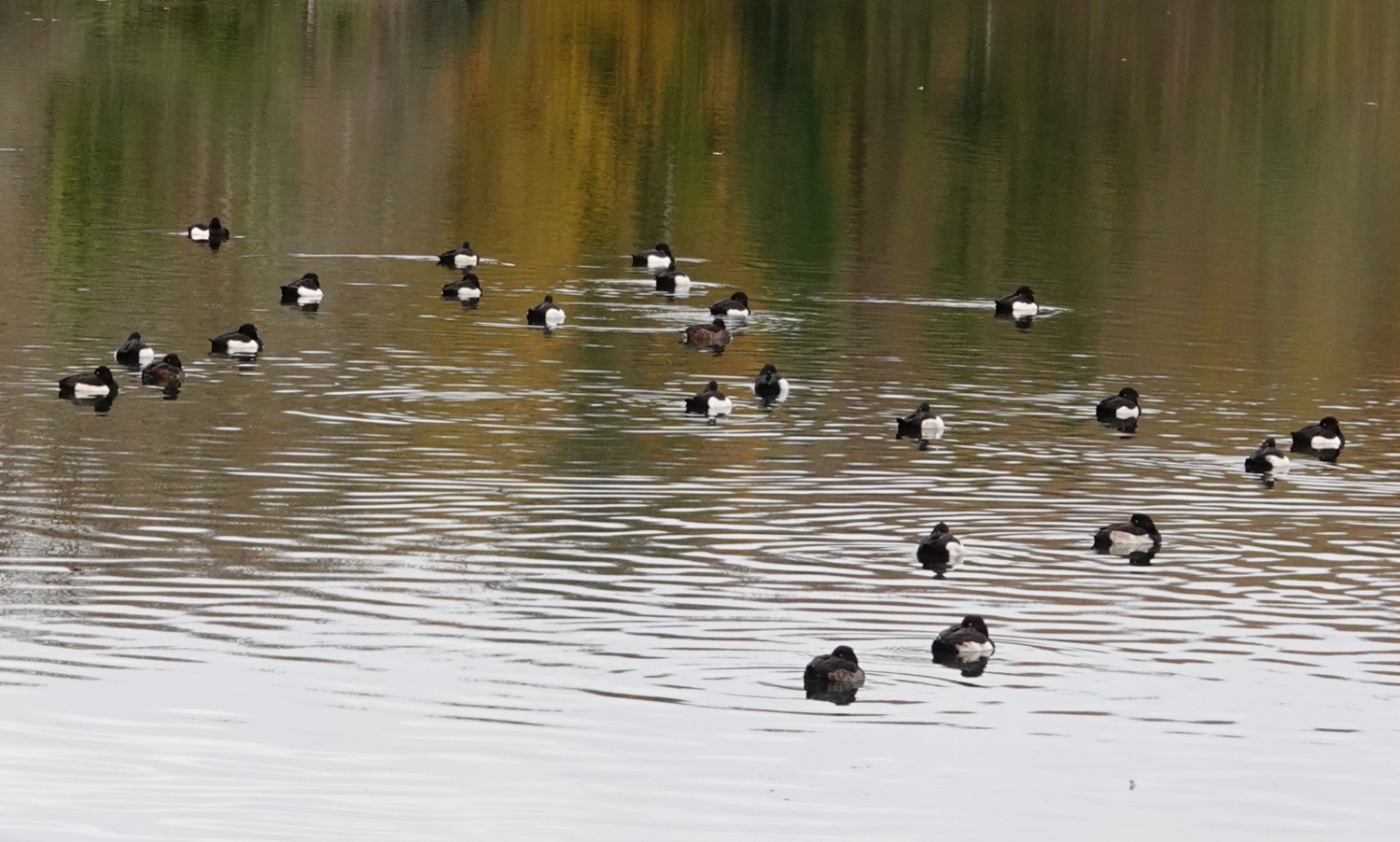
A quick walk round with Poppy the pooch this morning. Couldn’t relocate the Jack Snipes of yesterday. There were a lot of Blackbirds about including the very confiding pictured one by the Mile Road [those pix are as taken and not cropped]. The cold snap had brought in 57 Tufted Ducks on E lake – all drakes excepot for 7 females. I saw just a single Fieldfare in W paddock.
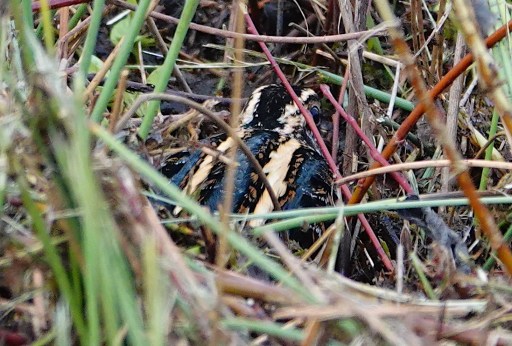
Great excitement yesterday at Cosmeston when local birder Graham Smith found a Jack Snipe roosting on the ground using a thermal imager. I went down to try & see it but typically it was so well concealed and camouflaged I couldn’t find it. Remarkably today he found there were 2 there! Another visit and another local Penarth birder Annie Irving was at the spot and eventually got me on to the more visible one and then finally the well hidden one. My 2 best cropped images below plus the uncropped versions for comparison. Both the uncropped ones were taken at equiv of 600mm . In the one with the arrow the birds head is just belwo left of the arrow head, in the gap in the blades of juncus. Having seen the more visible one today I realised that I had seen it yesterday, but only the two parallel straw coloured stripes which I thought were dead vegetation! As I walked through teh open aprt of W paddock there were a few Redwing and Fieldfare feeding but they soon cleared off, but I did manage a couple of shots of a Fieldfare – such smart birds. Click each image for a bigger one.
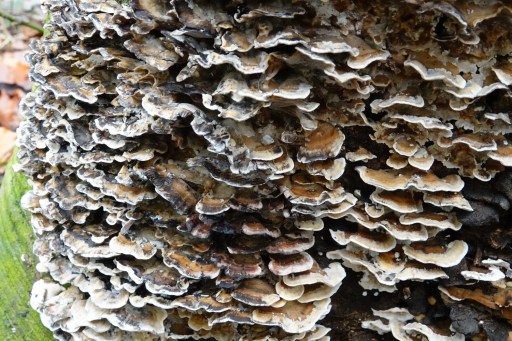
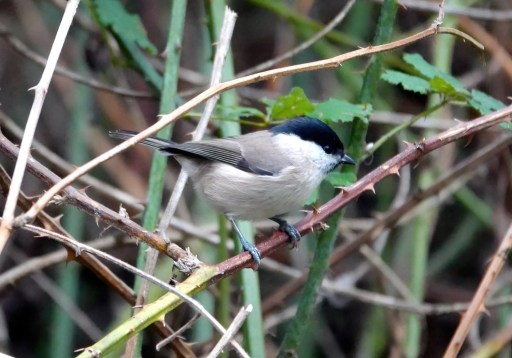
Had a walk through Cogan Wood this morning to keep out of the chilly easterly. Good decision as it happens. I was kneeling down taking some pix of the Turkey Tail fungus shown, which was on a stump that is also used to put down seed for the tits & finches. Suddenly I heard a strident “pitchü, pitchü” call and looked up to see a Marsh Tit flitting about in the bushes a few feet away. It was very insistent and clearly expecting some seed, which I didn’t have. I last saw one there in Jan this year. The light was pretty poor so I was glad to get some half decent shots The Great and Blue Tits along the path thru the wood are very tame and will come and sit on your hand if you have seed.
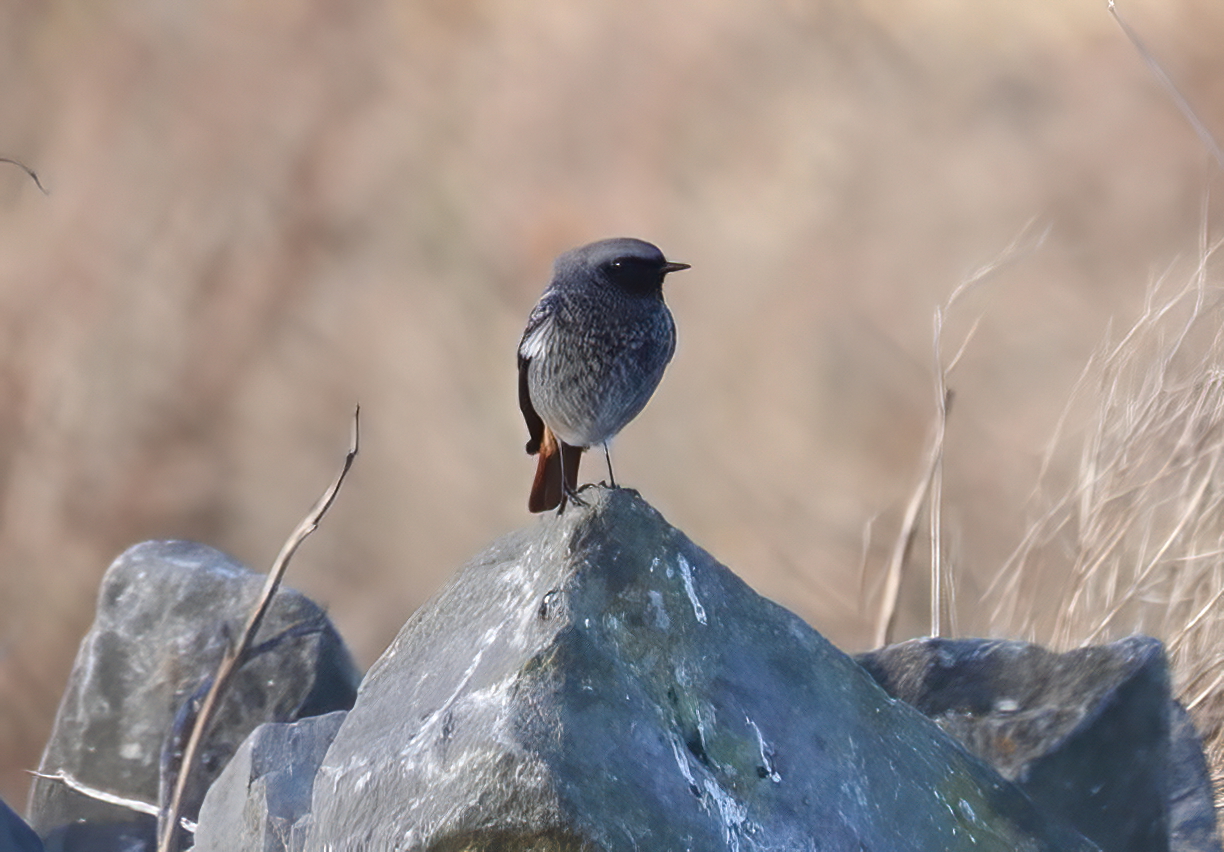
Highlights: Scarcities at Kenfig were a Glossy Ibis in flight over the pool (19th), a juvenile Sabine’s Gull at Sker (10th) and a Red-backed Shrike (found in the southern dunes in October), reportedly around until early in the month. Cardiff Bay held two Caspian Gulls (adult and 2nd-winter), a Red-necked Grebe (11th), a Leach’s Petrel moving down channel from the barrage (2nd) and the long-staying Whooper Swan. Leach’s Petrels were also recorded from Lavernock on several dates (notably four on the 9th), with Black-throated Diver (9th) and at least two Siberian Chiffchaffs also present. Two female Ring-necked Ducks frequented Lisvane Reservoir. A flock of six Waxwings flew over Maesteg (16th). A Swift species (Common or Pallid) was over Wildmill, Bridgend (1st). Other Sites: Single Dark-bellied Brent Geese were at Cardiff Bay, Ogmore Estuary and Sker, where Red-breasted Merganser and Great Northern Diver were also logged. Another Great Northern Diver was briefly on Llanishen Reservoir (27th). A Red-crested Pochard, three Bitterns and a Great White Egret were at Kenfig. A male Merlin was at Sker. A coordinated count in the Ely Valley revealed a total of 11 Green Sandpipers. Common Sandpipers comprised two at both Ogmore Estuary and Lisvane Reservoir. Purple Sandpipers at Sker peaked at 14. A Great Skua was seen heading from Sker towards Porthcawl. Little Gulls had a good showing, with records from Ogmore Estuary (two 1st-winters), Sker (adult and 1st-winter), Kenfig Pool (1st-winter), Porthcawl (adult) and Cardiff Bay (1st-winter). The Cardiff Bay roost held a maximum of 16 Yellow-legged Gulls. Late Arctic Terns were seen at Gileston (9th) and Kenfig Pool (15th-19th). Two Water Pipits turned up at Ogmore Estuary. Black Redstarts occurred at Penarth (three), Cardiff Bay (two), Porthcawl (two), Coity and Nash Point. An estimated 10,000 Redwings moved over Lavernock in 90 minutes (1st). Ring Ouzels passed through at Dunraven and Maesteg. Firecrests graced Pant Norton, Ogmore (two) and Swanbridge. Hawfinches were Fforest Fawr, Lavernock and Cosmeston. Summary by Paul Roberts
There will be a visit to Slimbridge WWT on Saturday 10th Dec [this is a revised date from the originally scheduled date of Sun 11th which is an important winterf WeBS count day]. The reserve opens at 09:30 so I suggest trying to get there at around that time, which using Cardiff as a start point, means leaving at around 8 a.m. To car share be at the usual Whitchurch end of St Margaret’s Rd at 8 a.m. and please: 1) email me if you are inteding to come and 2) say whether you will go straight there or wish to car share – I can take 3 passengers.
If you are not a member of WWT, the entry fee is £15 [or £16.50 if you gift aid it].
My email – johndw1948 at gmail dot com [please only email as it’s onerous to try & keep tabs on all modes of communcation].
There’s a Zoom talk next week on Tues 6th Dec, when Mark Eaton of the Rare Birds Breeding Panel will tell us all about the work they do in collecting, analysing, reporting and archiving rare bird breeding records in the UK.
The talk will start at 7:30 p.m., with the Zoom room opening about 15 minutes before that. If you would like to ‘attend’, please email me for teh login details – johndw1948 at gmail dot com.
Having just been in discussions with Alan Rosney who knows the site very well, we have regretfully decided to cancel Sunday’s trip for safety [and indeed access] reasons. More rain is forecast for Saturday night and given what we had yesterday, last night and today, it is highly likely that the area will be flooded, or at least an absolute quagmire. Sorry to disappoint but we feel that it’s for the best. John Wilson
Between 4:10 and 4:30 this afternoon, a minor murmuration of around 400 Starlings over E lake that finally settled in the lake side edge of the E lake reeds by the boardwalk.
There’s a local field trip to Peterston Moors by the R. Ely, as a follow on from the indoor meeting about the birds of the Ely valley, in particular Green Sandpiper and the ongoing survey.
Meet at 9 a.m. in the small car park opposite the Sportsman’s Rest pub in Peterston-super-Ely village, CF5 6LH. The riverside fields are very muddy and wellies are necessary or at least warterproof footwear of some kind [not just water repellent walking trainers]. We will watch the weather as the river could be quite high if there’s a lot of rain.
Please let me know iof you’re intending to come. John Wilson johndw1948 at gmail dot com
A Grey Wag is still frequenting Sully Brook by the Medieval Village and 20 drake Tufted Ducks were on W lake before the rain stopped any birding. Later after the rain eased there were a few Redwing in E paddock.
We had a successful trip to Parc Cwm Darran today. We even managed to avoid the rain. Perhaps the stand out was a really confiding male Kingfisher, which gave us cracking views. Overhead we saw Red Kite, Buzzard and Sparrowhawk plus a couple of Ravens. Passerines were thin on the ground due to the strong wind. We did catch views of Jay, Mistle Thrush and Redwing though. Redpolls were heard but not seen however. At Rhaslas we saw 2 Great Crested Grebe, c.20 Wigeon, 3 fem Goldeneye and 6 Mute Swans. A distant flying flock of c.200 Golden Plover was also seen. Totla species logged was 41 which was better than expected. Full list can be seen by clicking here.
First walk in the park after returning from a week away in N Wales. Nothing too exciting in the morning rain, but a 2nd yr Med Gull was with Black-headed Gulls on W lake, the first I’ve seen there for a while.
Couple of good birds in the last 3 days, not seen by me I hasten to add, but found by Graham Smith – a Red-rumped Swallow on Weds evening and a Ring Ouzel yesterday, both in the area above Sully Brook. For me today a good number of Fieldfare & Redwing dotted around the place, one feeding bunch disturbed by a Sparrowhawk that shot into their bush and settled for a few seconds. A Cetti’s Warbler was singing v close to me along the Mile Road near the centre viewpoint but would not show. A total of 3 feeding parties of Long-tailed Tits were seen, tho’ nothing too exciting accompanied them, apart from a Goldcrest. A Chiffchaff was calling by the Mile Road yesterday morning.
Another cracking trip to Dorset. En route to the Portland Bird Observatory we stopped off at Maiden Castle to try for Corn Bunting. We struggled at first but eventually one popped up on a barbed wire fence. Next stop was RSPB Lodmoor, where we soon found a Spoonbill amongst the Canada Geese. A fly-over Marsh Harrier put a lot of birds up, amongst which were both Little and Great White Egrets. Walking round to the north of the site we were delighted to see plenty of waders, including LittleStint, CurlewSandpiper, Ruff, Black–tailedGodwit, Snipe, CommonSandpiper and Dunlin. John Wilson also glimpsed a GreenSandpiper – a great selection of waders. Several YellowWagtails were present too. The number of MediterraneanGulls there is incredible. We then heard that the Red–backedShrike that had been there for a week was still on the old tip. What a bird! The scalloped juvenile plumage was stunning [see pix below]. Off to Ferrybridge next, where we had misjudged the tide. The water was almost up to the viewing platform, meaning few waders were visible. There were a few Dunlin, a Sanderling and a LittleStint there. In the harbour was a lone Brent Goose. Saturday dawned bright and we spent the first few hours around the Obs. Sea-watching wasn’t easy as the winds were northerly, pushing birds off-shore. An oddity was a Whitethroat that was perched on a rock right next to the obelisk. We saw plenty of Gannets, a few auks, Scoter plus Cormorant and Shag. A RockPipit was seen in this area too. After lunch we walked to Culverwell and up to the top fields. There were plenty of hirundines passing through with some other passerine movement. The Wheatears in the fields were great to see. Kestrels seemed to be everywhere. Some of the group also got on to a Merlin and a LesserRedpoll was heard calling as it flew overhead. Following a visit to Radipole, where we saw a Hobby and a Kingfisher, we then decided to re- visit Ferrybridge for a second chance of watching waders on a rising tide. We weren’t able to add many new species but there were greater numbers of waders present, including several RingedPlovers and Turnstones. An immature CommonGull caused some discussion. We were up early on the Sunday and were delighted to see the LittleOwl in the Obs Quarry. Martin Rich also saw a BarnOwl go in to roost in the quarry. There were several passerines in the quarry with at least four SpottedFlycatchers and a Blackcap seen. Back in the Obs building, there was a quick shout and we were delighted to get on to a TurtleDove on the wire. More sea-watching brought some decent but distant views of BalearicShearwaters and there was a light passage of Kittiwakes. We were privileged to see a Firecrest in the hand at Culverwell. The ringer had also caught a SpottedFlycatcher but had released it prior to our arrival. He told us that a Wryneck had been seen in a nearby quarry. We scoured the area but had no success unfortunately. We decided to re-visit Lodmoor on the way home, where both WaterRail and BeardedTit were new for the trip. Cetti’s Warblers were loudly calling from waterside bushes and there were also several Chiffchaffs present. Some of us went for a second viewing of the Red–backedShrike. Not a bad way to finish off a great weekend’s birding. Once again thanks to John Wilson for organising the trip and to the fellow GBC members who made it a great experience.
There were only seven participants- perhaps some were put off by the poor weather forecast. We had prepared a contingency plan of dashing to Penclacwydd WWT in the event of heavy rain. We needn’t have worried however as the weather was glorious. We met in the car park at Pembrey Old Harbour and ambled up to the old dock wall. The tide was on the turn, so we hoping that the terns present would be pushed up towards us. As it happens the tide was fairly low, meaning telescopes were the order of the day. Scanning the tide line we saw hundreds of Sandwich Terns fishing off-shore. Amongst them were several smaller terns. After a bit of searching we picked out Little, Common and Arctic Terns amongst them. A quick shout got us all on to a juv Black Tern that had landed in the tern flock. It was surprising how much smaller it was than the other terns. There was a smart Bar-tailed Godwit, loafing amongst the Oystercatchers. Other waders there included Ringed Plover, Sanderling and Dunlin. (A Curlew Sandpiper was reported after we had moved on to Kidwelly). Several Mediterranean Gulls and a couple of Gannets were also seen. On the mud by the railway bridge at Kidwelly Quay we saw several Greenshank, Redshank, Dunlin plus a couple of Common Sandpipers. Also present were two Whimbrel, fifteen Curlew, a Kingfisher and a very fleeting Wood Sandpiper. Elsewhere we saw several Little Egrets, a Red Kite, two Buzzards, Swallows, Stonechats and good numbers of gulls. A very sharp shower brought a close to a very successful trip.
Our next indoor meeting will be on Tuesday, November 1st in Peterston-super-Ely Community Hall at 7 p.m. The topic will be ‘The Birds of the Ely Valley’ and will include an update on our on-going Green Sandpiper survey. The talk will feature many of Tim Collier’s excellent photos, all taken in the valley (e.g. the Common Snipe below courtesy Tim Collier).
In Peterston-super-Ely village enter Ffordd-yr-Eglwys and take the first left and the hall is on the right. There’s a couple of maps below showing the overall routes and the village itself with the hall location. Click each image for a larger one.
You must be logged in to post a comment.