Cosmeston

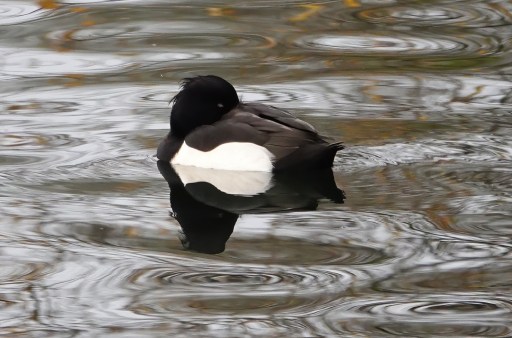
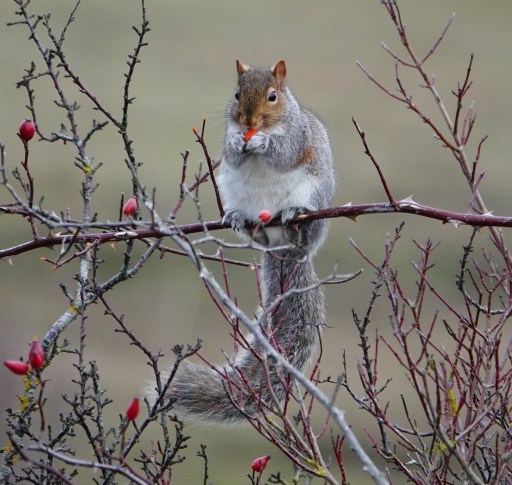
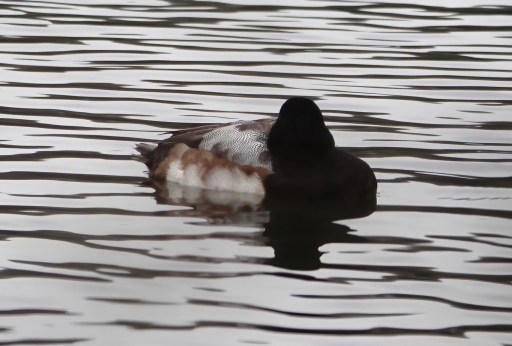
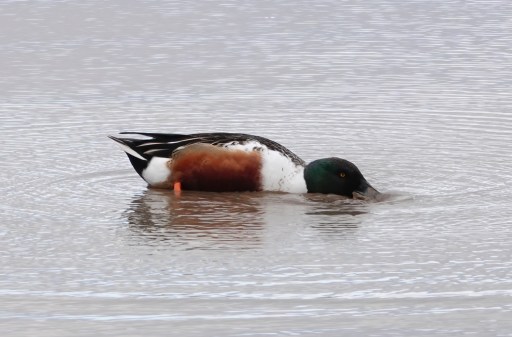
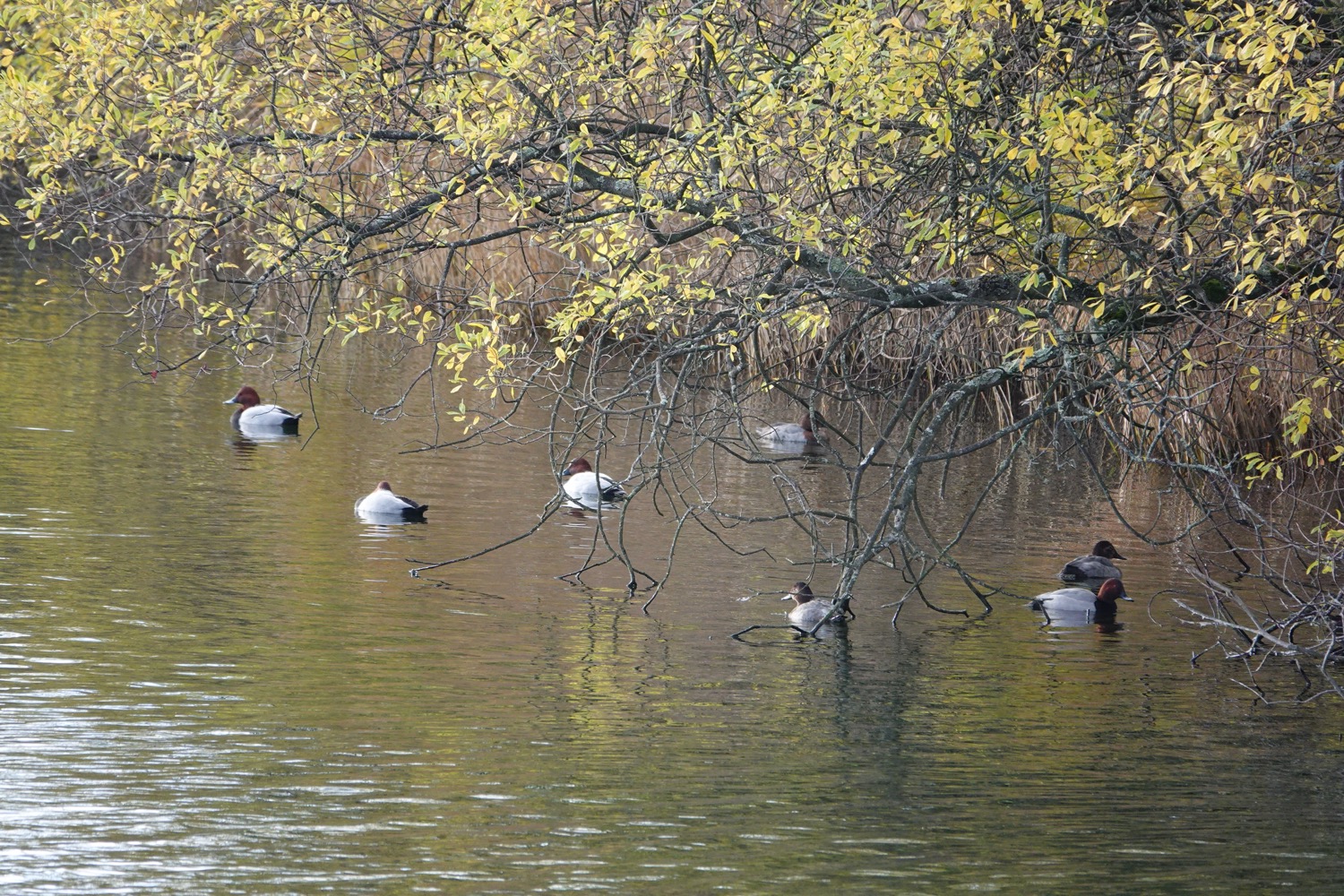
There were 15 Pochard on W lake Cosmeston this morning in amongst the hoards of Tufties, and there were 7 fem Teal on the far side. Couldn’t find yesterday’s Scaup on either lake, nor the Shoveler or Gadwall pairs. There were some nice reflections of sleeping drake Tufties, and a Grey Squirrel feeding on something natural rather than scraps thrown down by humans. A Jay was by the central Mile Road and the paddocks revealed a couple of Green Woodpeckers.

Cosmeston

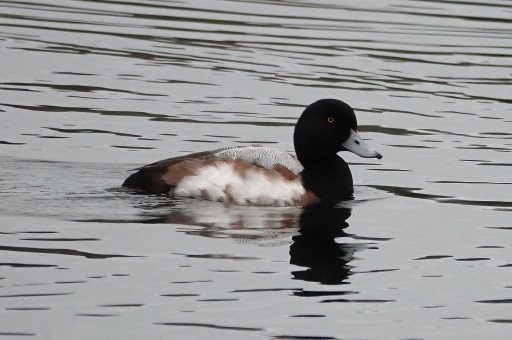
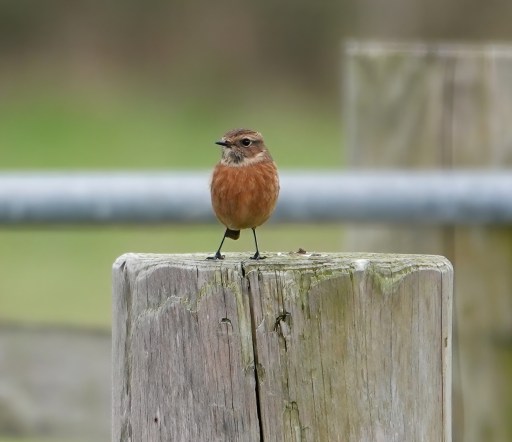
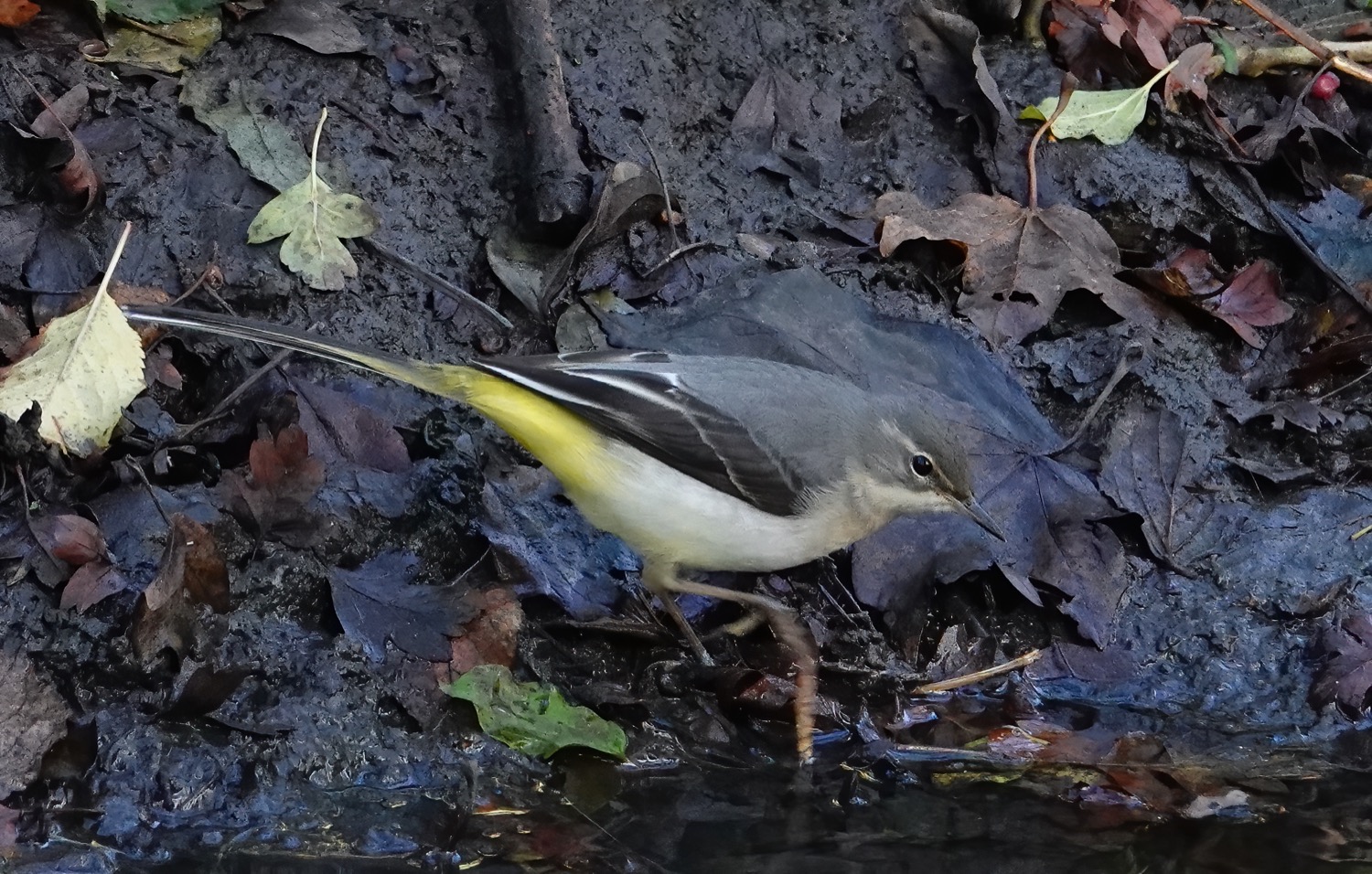
In a brief visit this morning: 1 1stW Greater Scaup was with the Tufties on W lake, plus a few Pochard, a pair of Shoveler and a pair of Gadwall. I couldn’t find the Wigeon that Graham Smith had seen. The Tufties still number about 200, and most of them are drakes. A Great Spotted Woodpecker flew over E paddock and I managed to snap a confiding female Pied Wag that was feeding in the mown patch just outside the entrance gate into E paddock.

Cardiff Bay

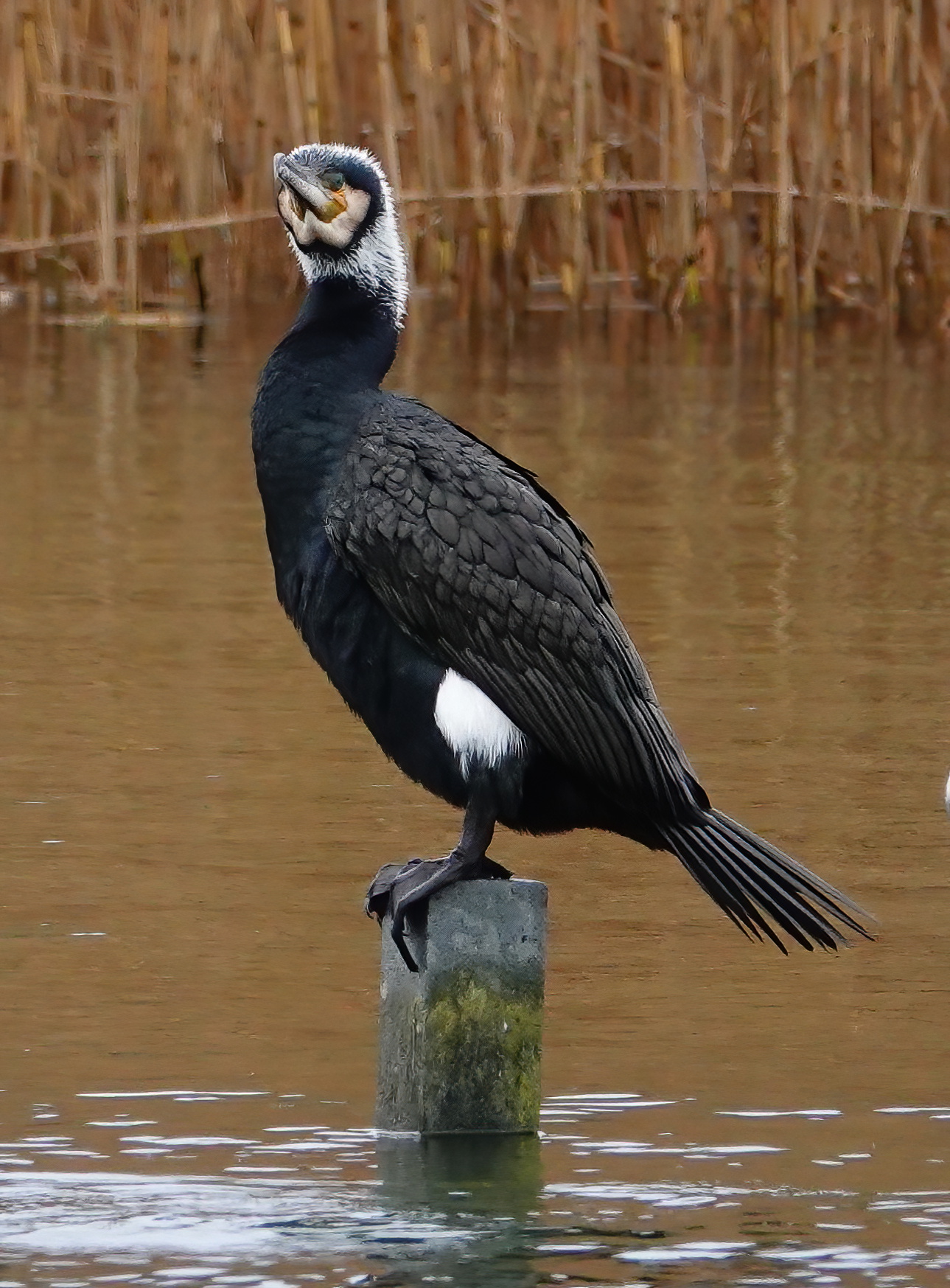
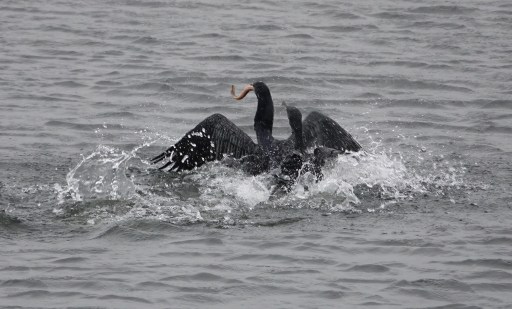
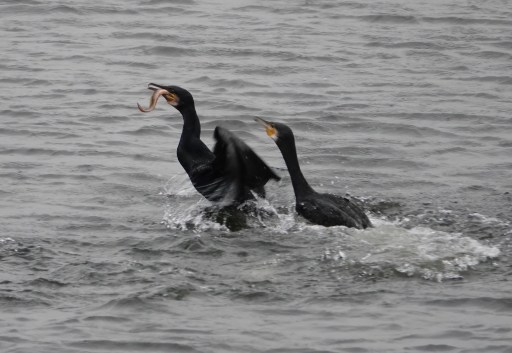
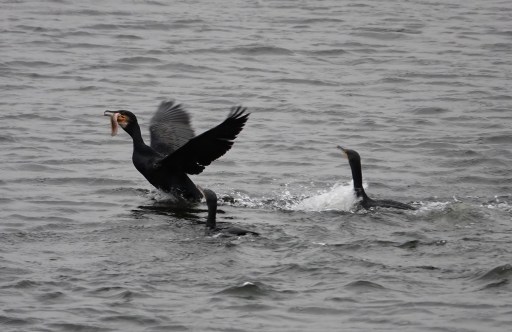
Bitterly cold walk across the barrage this morning – risked it despite my nasty cold, to accompany family members. There were about 8 Cormorants in the water just inside the locks and one caught an Eel and had some competition! Pretty c**p photos as I wasn’t prepared. By the inner barrage shore there was a pair of Goosander [crap pix there too – light was dire], and a Peregrine flew over at the Cardiff end. No luck with the Black Redstarts although Anne thought she had a v brief glimpse of one. There were 86 Tufted Duck just past the Norwegian Church [as at Cosmeston, nearly all of them drakes], and a Grey Wag was near there too.

Steart Marshes WWT & Steart Point

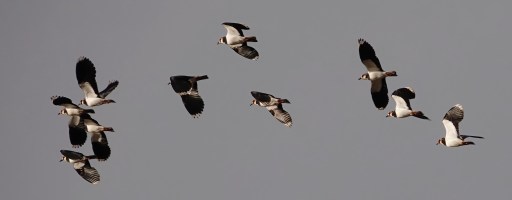
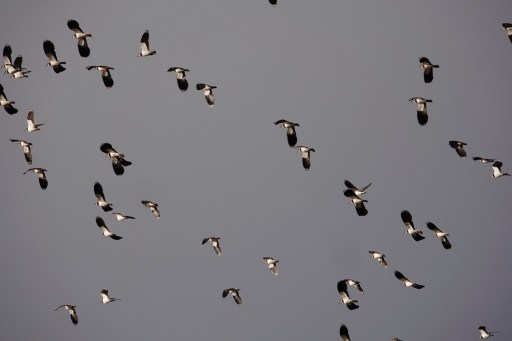
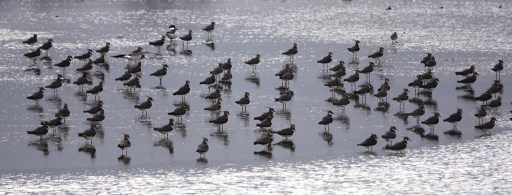
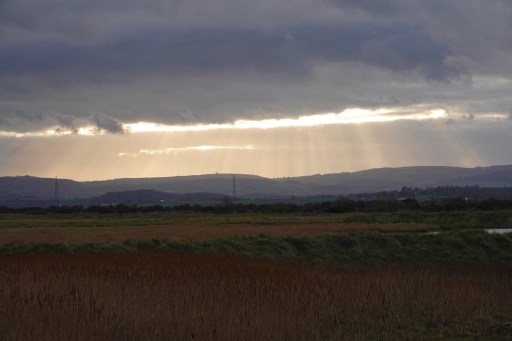
Thirteen participants visited the two above locations yesterday 12th Dec. Birds are never close there but we were treated to 58 species including huge flocks of Golden Plover and Lapwing, often spooked into the air [possibly by a female Merlin which we had super scope views of], and 1000’s of Dunlin over the main shoreline near the R. Parrett mouth. Other highlights included 2 female Marsh Harriers, but no male Hen Harrier that had been seen the day before, nor two Pink-footed Geese. 12 wader species wasn’t bad, including a few Avocet and 10 Snipe standing in a row from the small hide at the point. A few lucky group members got a Short-eared Owl as they left. A few pix here to give a flavour of this great location. A full trip list is here.

Cardiff Bay

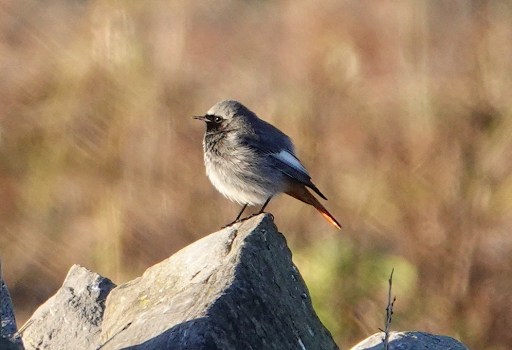
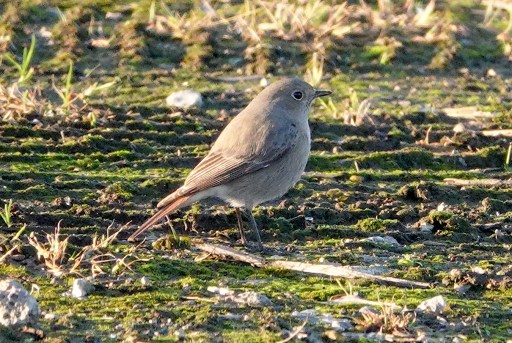
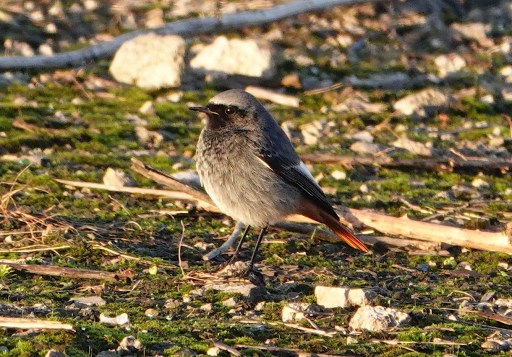
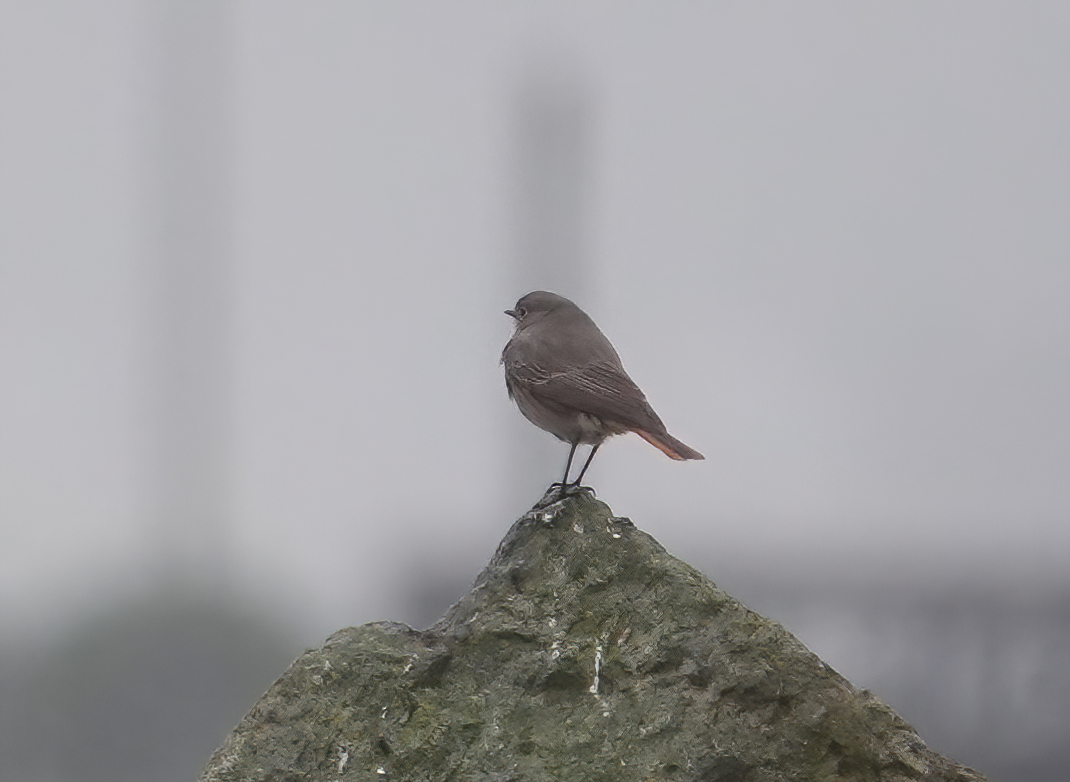
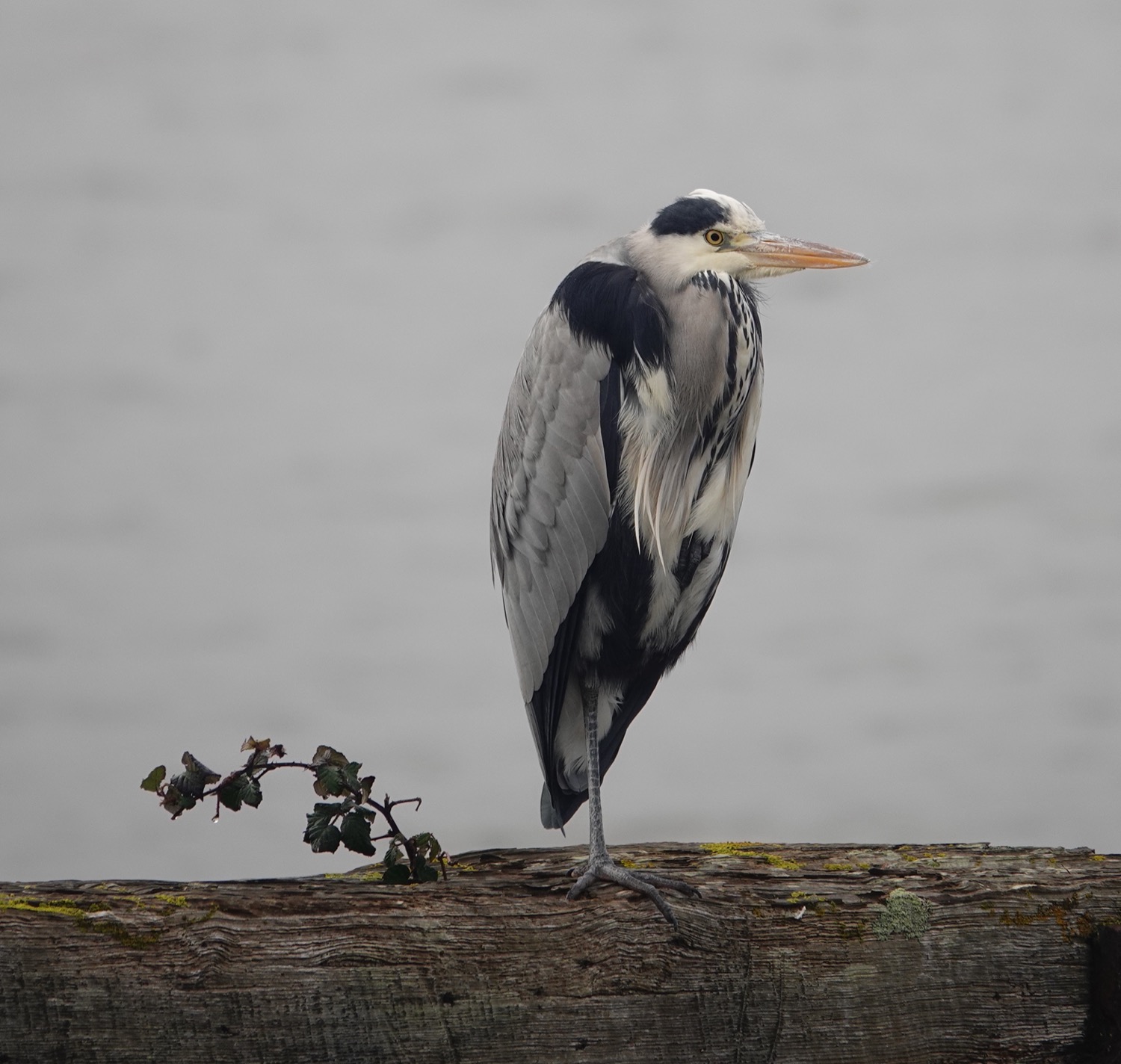
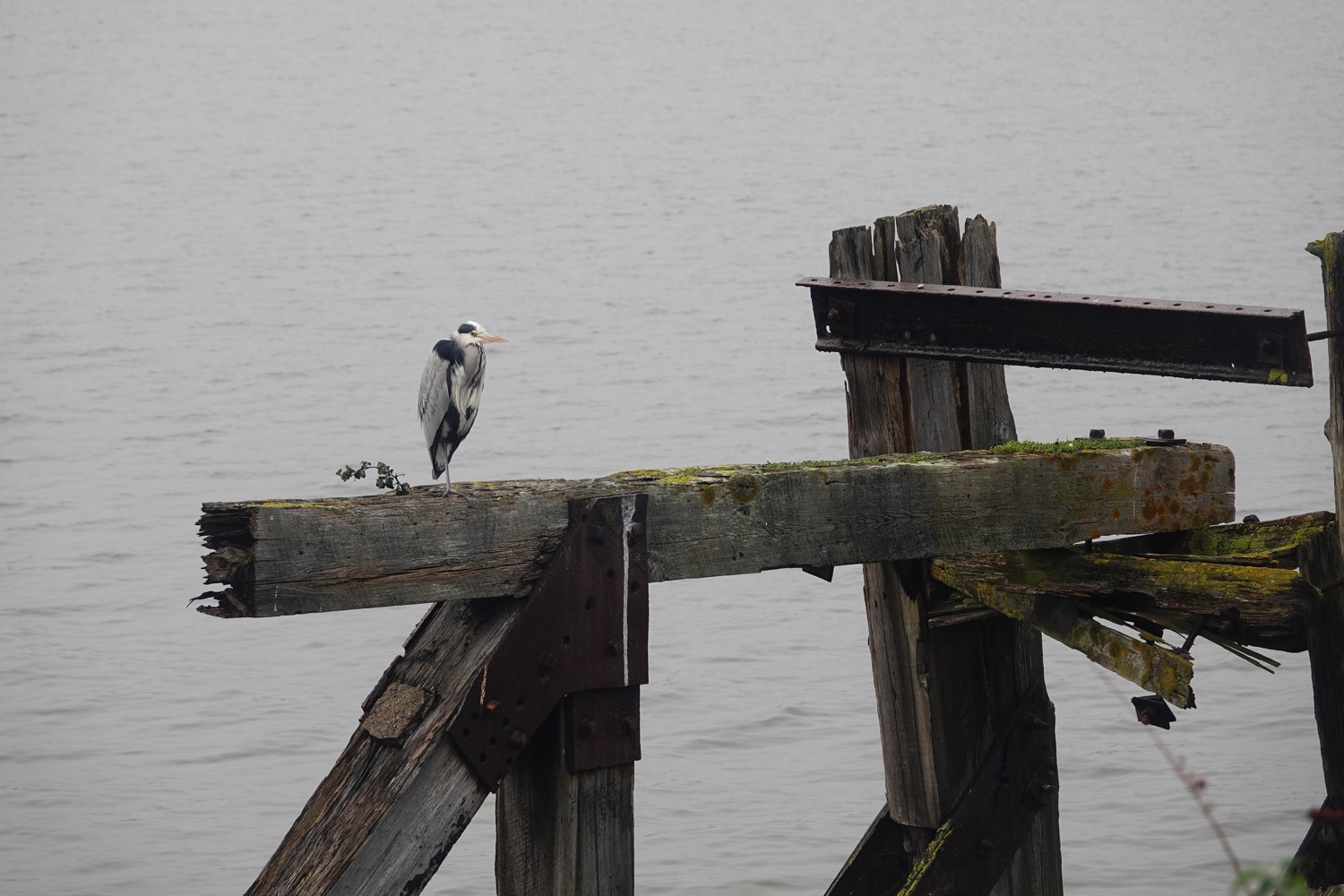
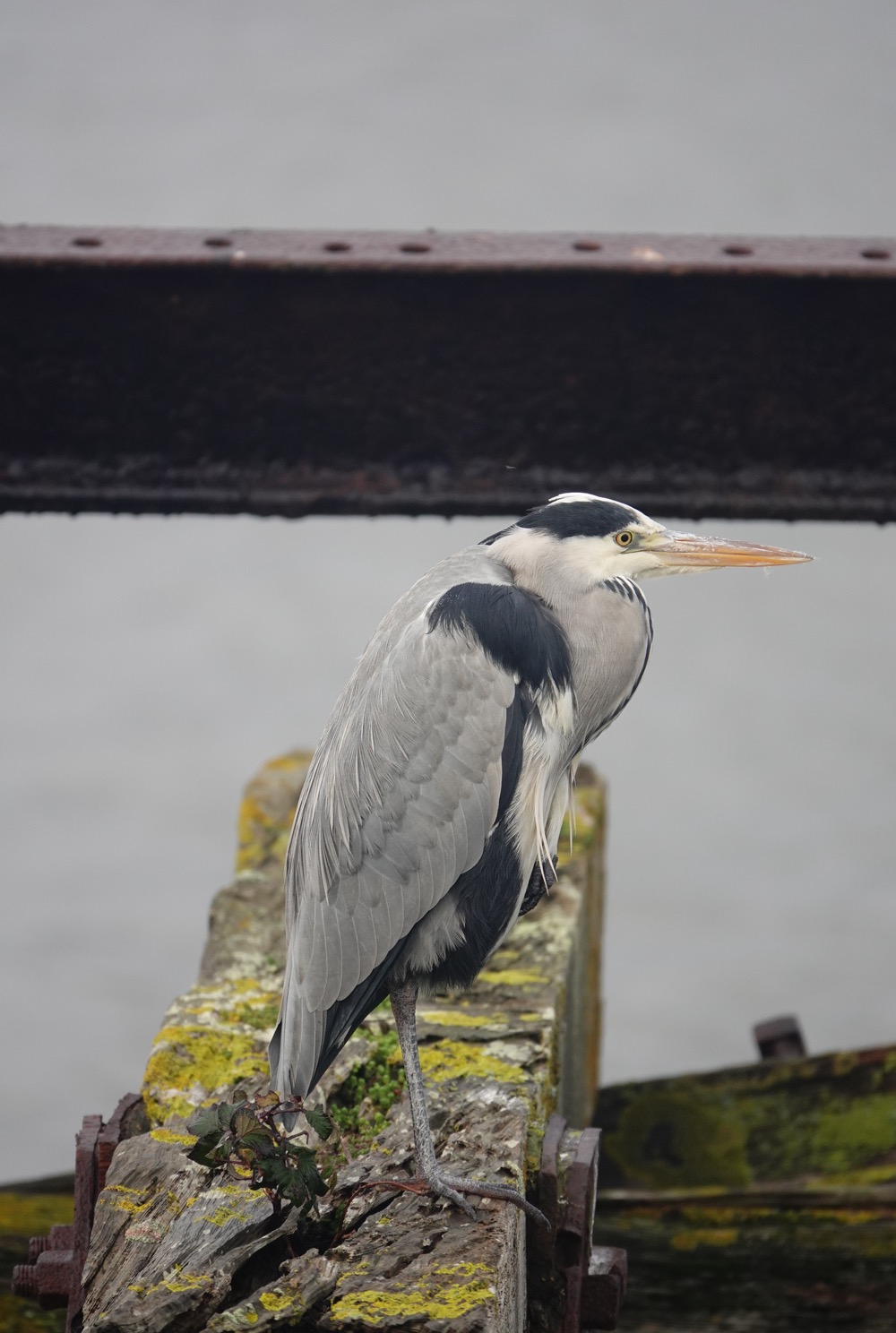
Walked across the barrage in mizzle and headed to Porth Teigr Way to try & see the Black Redstarts [3 of them!] initially found by club member Evan Jones. Conditions & light were awful but on arrival I heard a call and saw one on top of the roofs of the Adventurer’s Quay appartments, which obligingly flew down into the waste ground by Porth Teigr Way and used a large concrete block as its favourite perch. [See map]. The birds commute back & forth between the waste ground and the appartments. On the way back I got some nice shots of a Grey Heron standing on one of the old mooring structures in the Bay, and there were two Ravens foraging along the inner barrage shore.

Sully foreshore

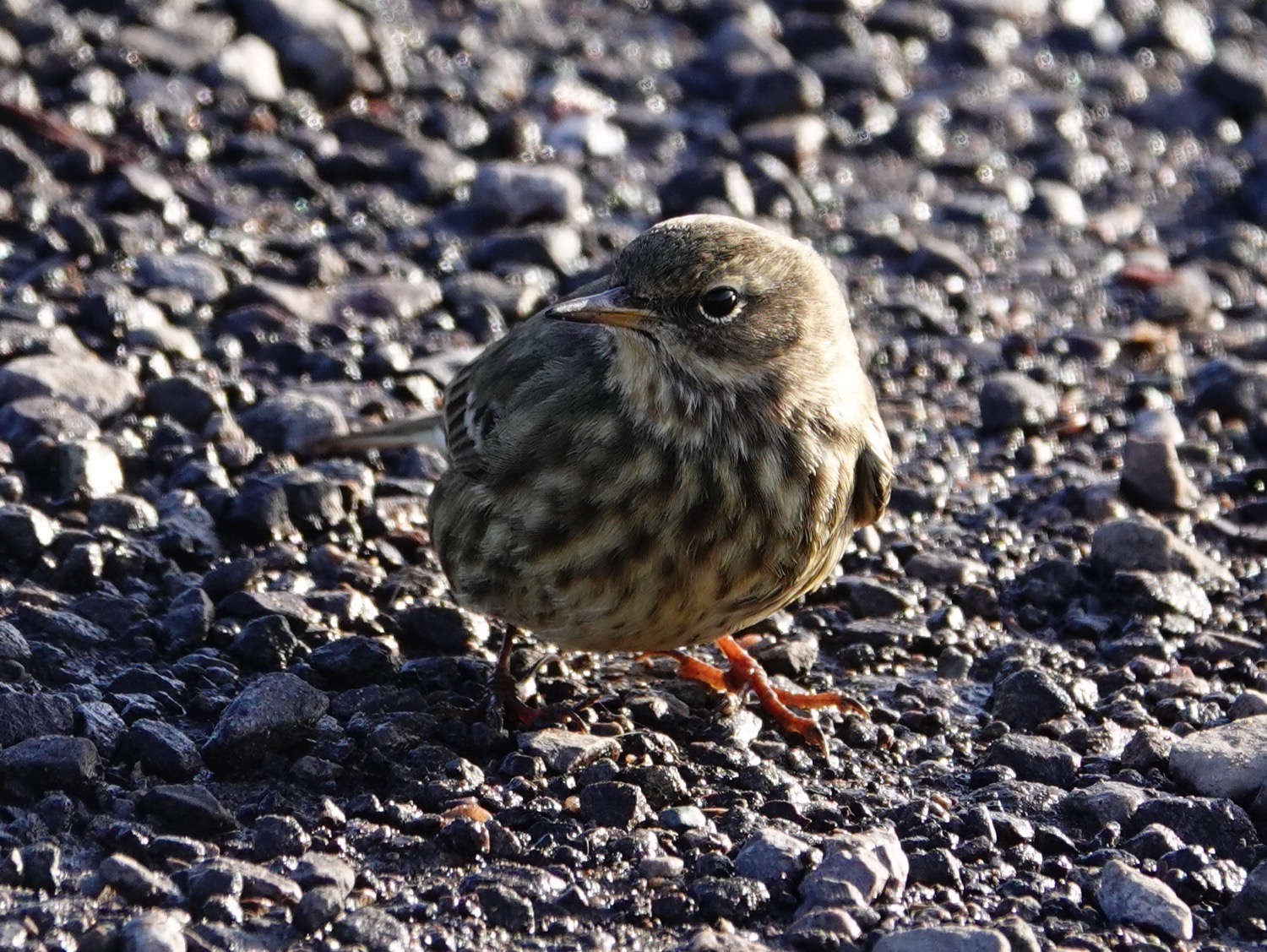
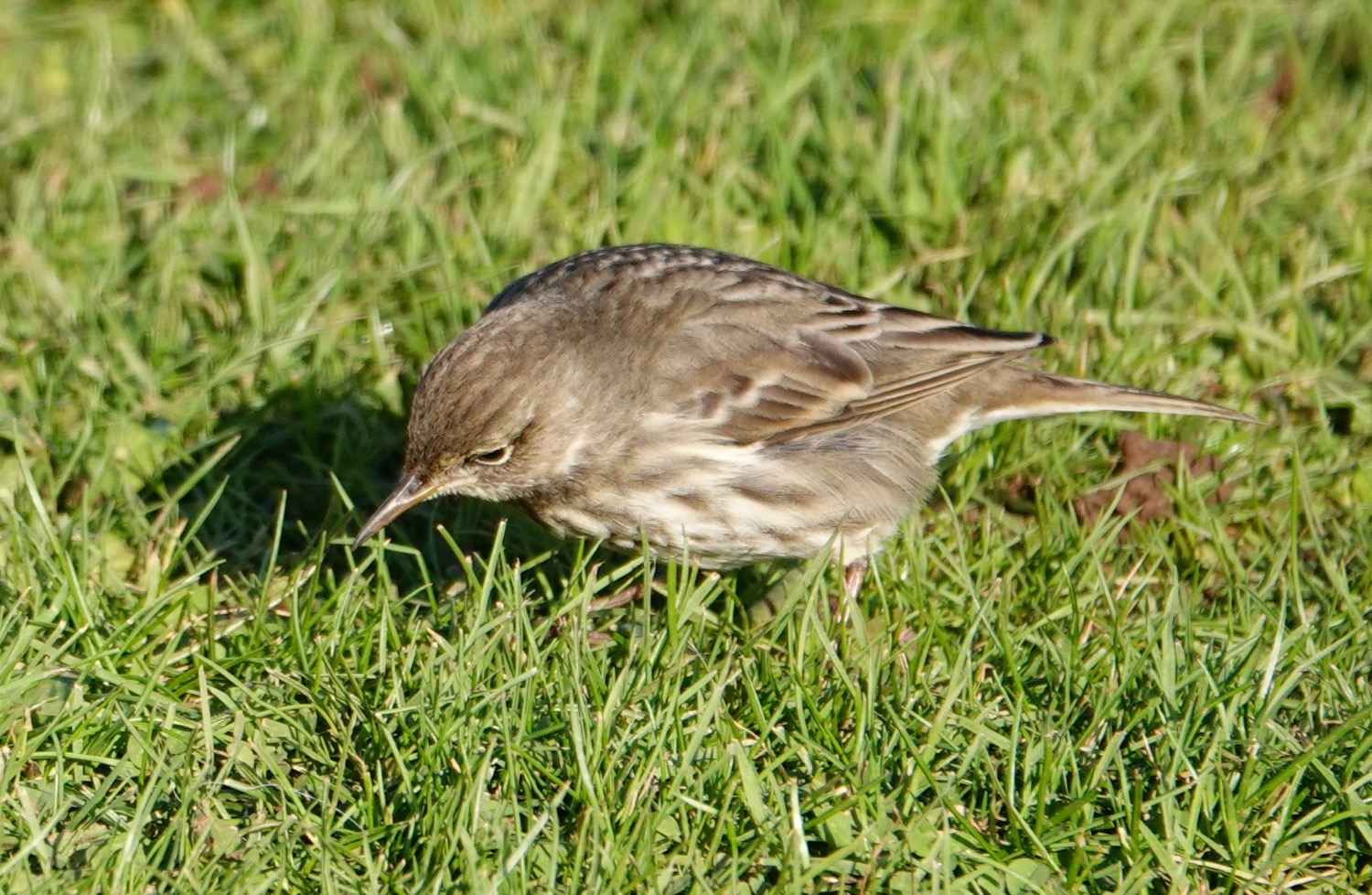
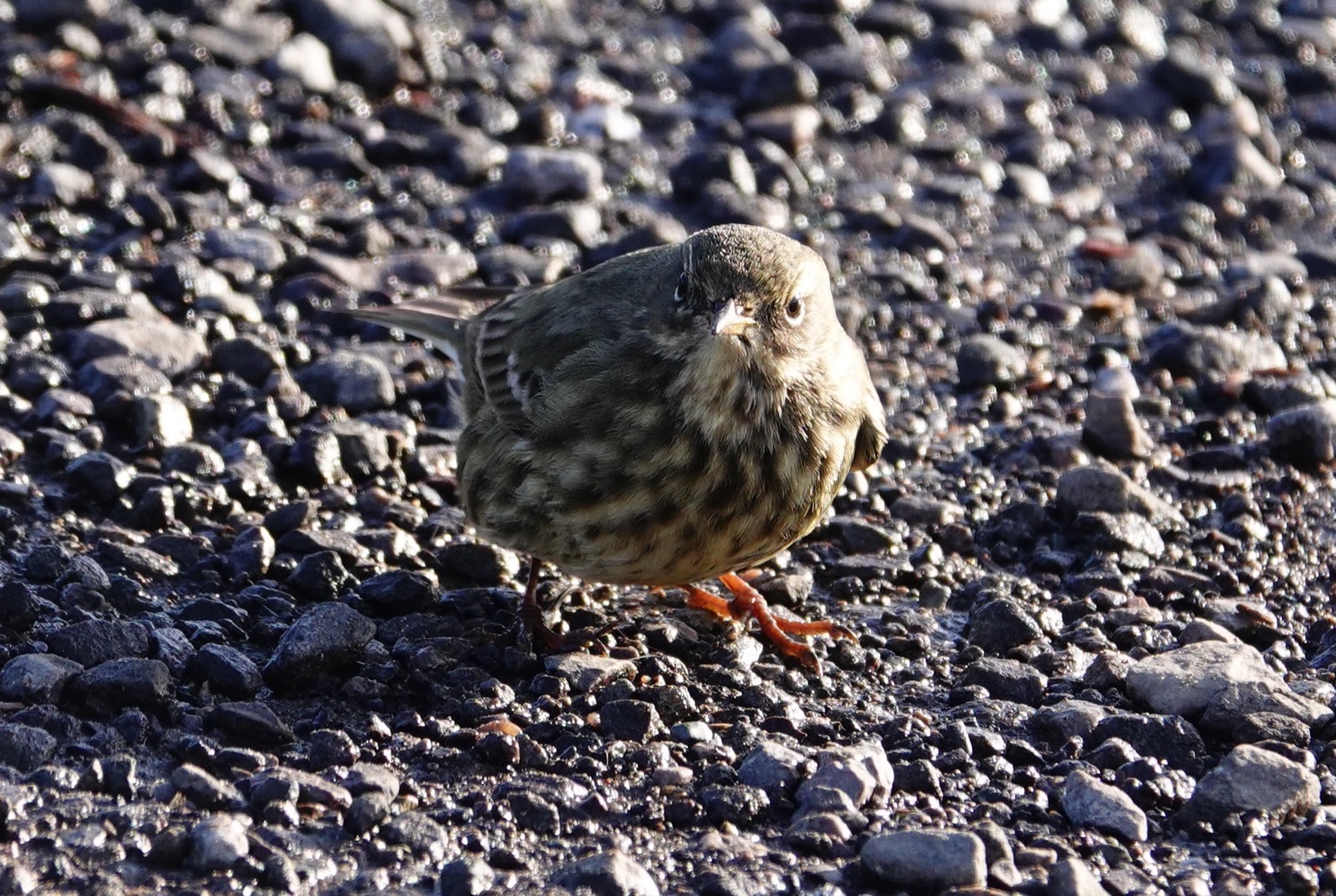
Walked along the Sully foreshore this morning by way of a change from the mud of Cosmeston. As we pulled into the dirt car park by the cricket ground there were 2-3 Rock Pipits feeding around a large puddle with a couple of Pied Wags. I backed the car in and parked and then looked out of the windscreen to see a Rock Pipit sitting on the bonnet looking at me! I wasn’t quick enough to grab a pic with camera or phone. I got out of the car slowly and it was very confiding and went back to feeding around the puddle, allowing for the shots below. In one you can see it has caught what looks like a small shrimp like creature. There were around 8 ‘Rockits’ in total, some feeding on the cricket pitch. No waders even tho’ the tide had only just started to recede, but it was v windy blowing up-channel, producing some impressive waves [for Sully].

Cosmeston

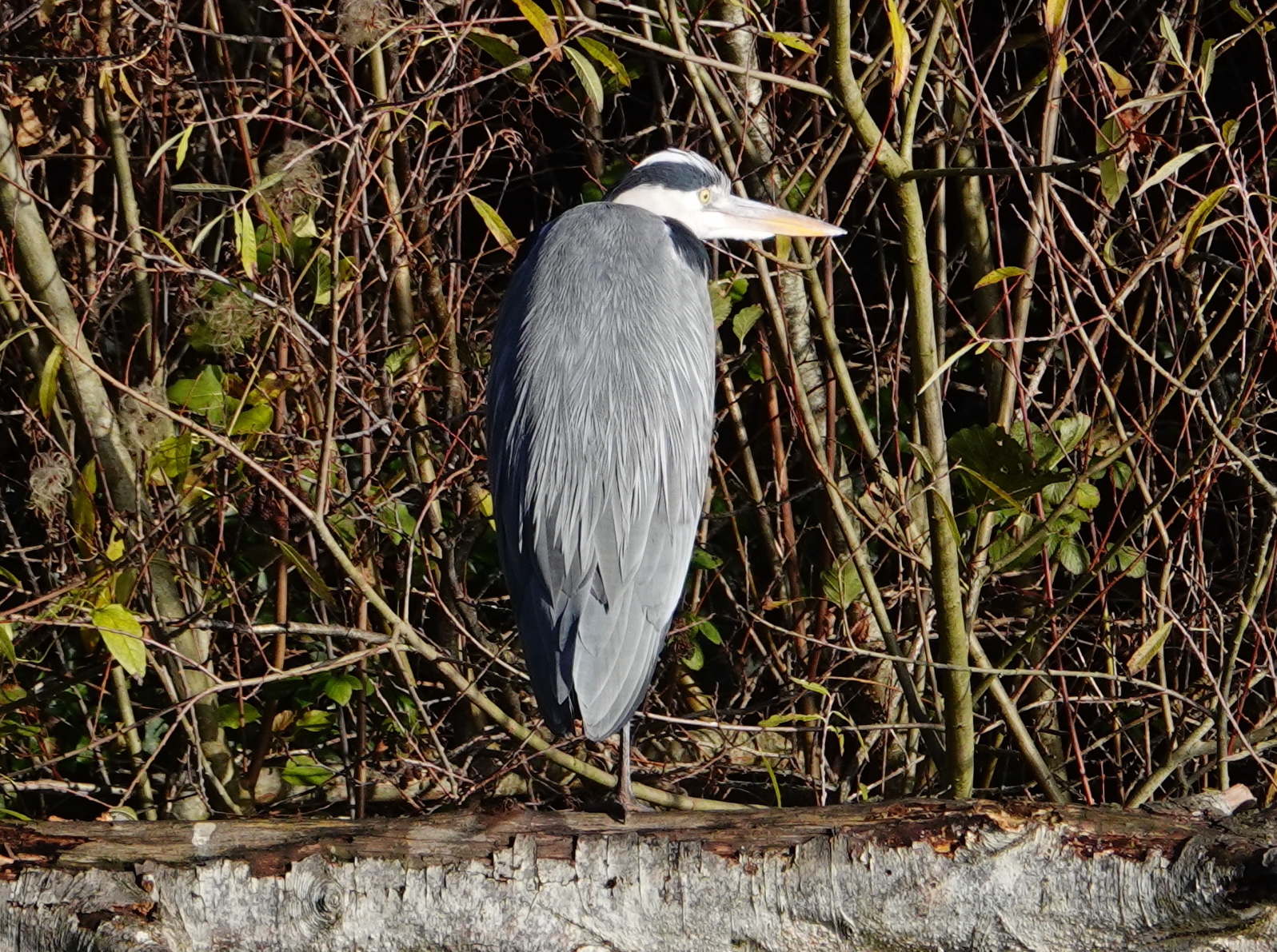
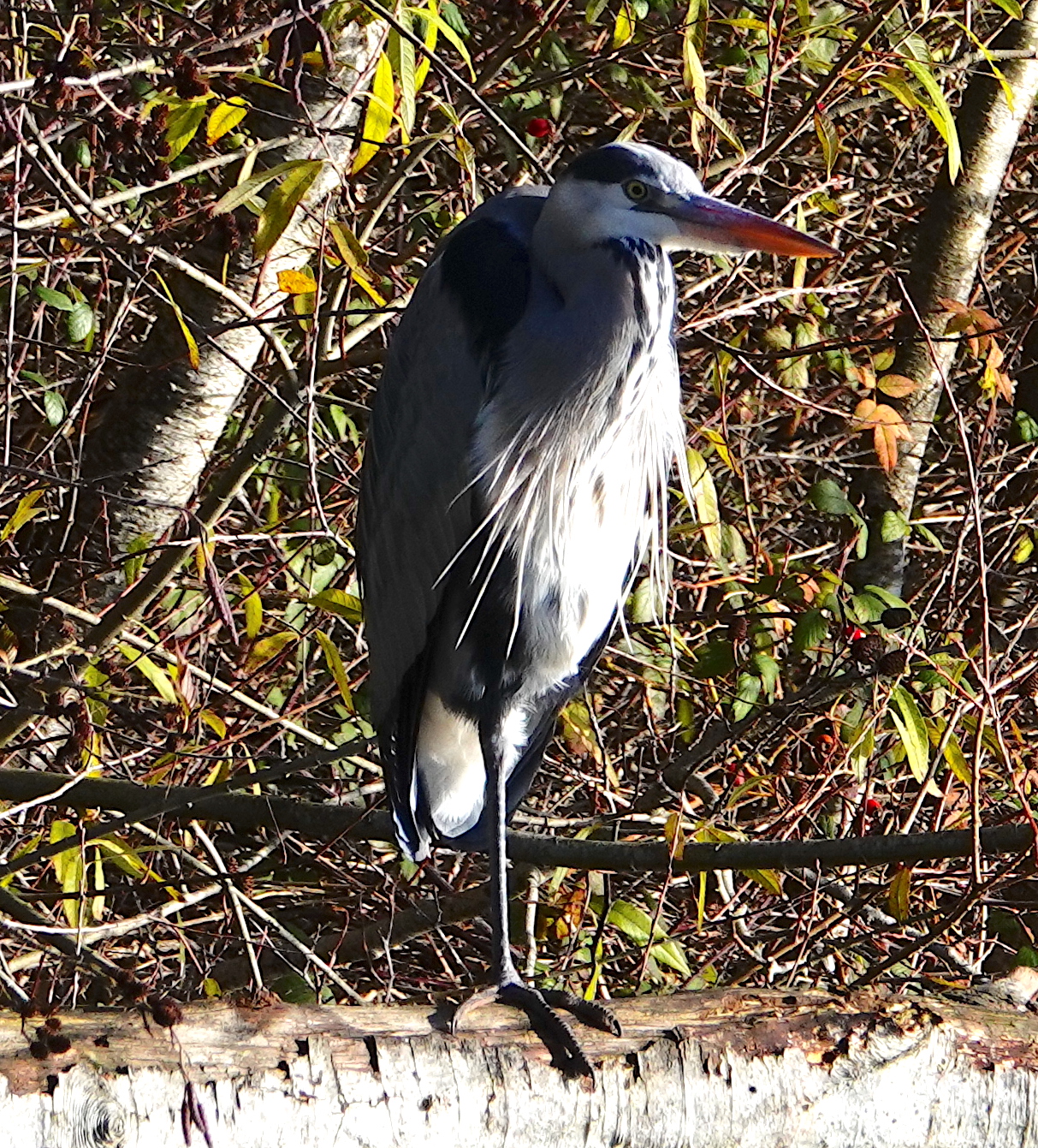
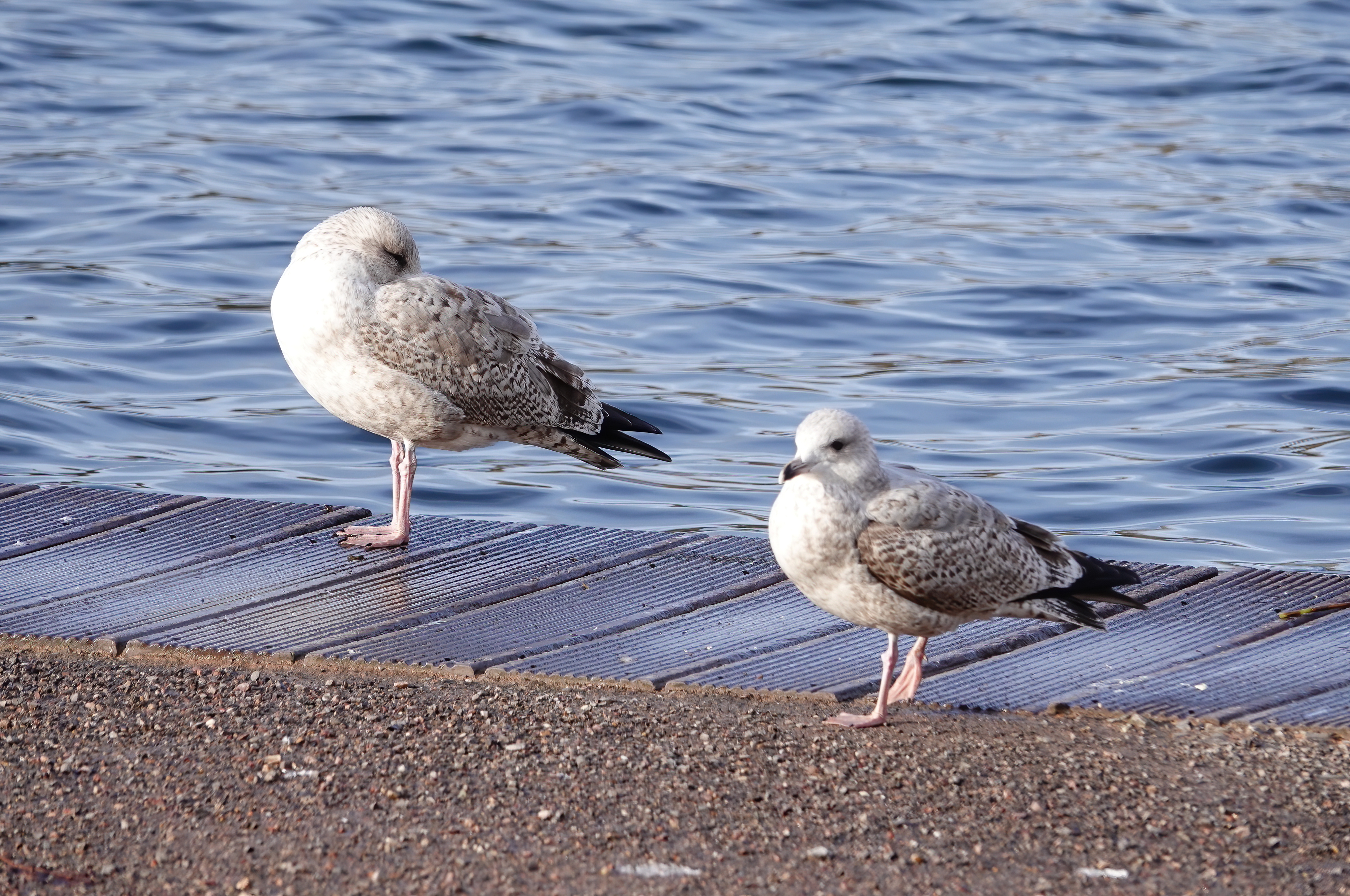
In the last few days there have been anything up to 30-40 Redwing in the W paddock area, and an occasional Fieldfare. The 200 or so Tufties are comnstantly present, with about 10 Pochard and a pair of Gadwall that are not visible every day. The photos are from yesterday. The Heron was resting on the horizontal dead tree by E lake near the main bridge. When we arrived I imeediately noticted the big size difference between the two immature Herring Gulls shown. A Green Woodpecker was actively feeding in E paddock until we inadvertently disturbed it when it flew up on to the kissing gate into the Mile Road, where it kept and eye on the Magpie. One of the Cardiff Bay female Ring-necked Ducks was reported in the afternoon at Cossie today [on BirdGuides], and a Black Redstart near Atlantic Wharf, Cardiff.

November 2021

Highlights: Two Ring-necked Ducks – adult female and 1st-winter female – were seen at both Cardiff Bay and Lisvane Reservoir, with the adult also briefly visiting Cosmeston. A 2nd-winter Caspian Gull at Cardiff Bay was thought to possibly be a returning individual from last winter. A Black-throated Diver was off Sker (27th). Siberian Chiffchaffs were discovered at Kenfig, Lavernock and Cosmeston. The only Yellow-browed Warbler sighting came from Newbridge Fields, Bridgend. Snow Buntings occurred at Mynydd y Gaer, Porthcawl and Kenfig, but all in flight only. Three Ruddy Shelducks were observed flying out to sea from Sker (5th). A swift species, considered possibly Pallid, passed through at Rudry Common (7th). 
Other Sites: At Aberthaw Brent Geese peaked at 15, the majority being Pale-bellied. Three Greater Scaup were on the Kenfig Pool, with four Eider off Sker, where at least four Great Northern Divers were also present. A Great White Egret flew out to sea at Lavernock. Hen Harriers were logged at Tythegston and Cwm Cadlan. Two Common Sandpipers looked set to winter at Ogmore Estuary, with a Green Sandpiper also recorded there. A Yellow-legged Gull was at Lisvane Reservoir. The only Short-eared Owl report came from Kenfig. A late Swallow flew west at Ogmore-by-Sea (28th). A notable count of 17 Water Pipits was made at the lower Thaw Valley, with a more modest three at Ogmore Estuary. Black Redstarts were at Aberthaw, Porthcawl and Sully. Several Hawfinches were picked up flying over at Lavernock, where peak counts of 23,600 Redwings (12th) and 28 Bramblings (16th) were made. In a poor autumn for Firecrests, the only sighting came from Kenfig.
Summary by Paul Roberts

Cosmeston

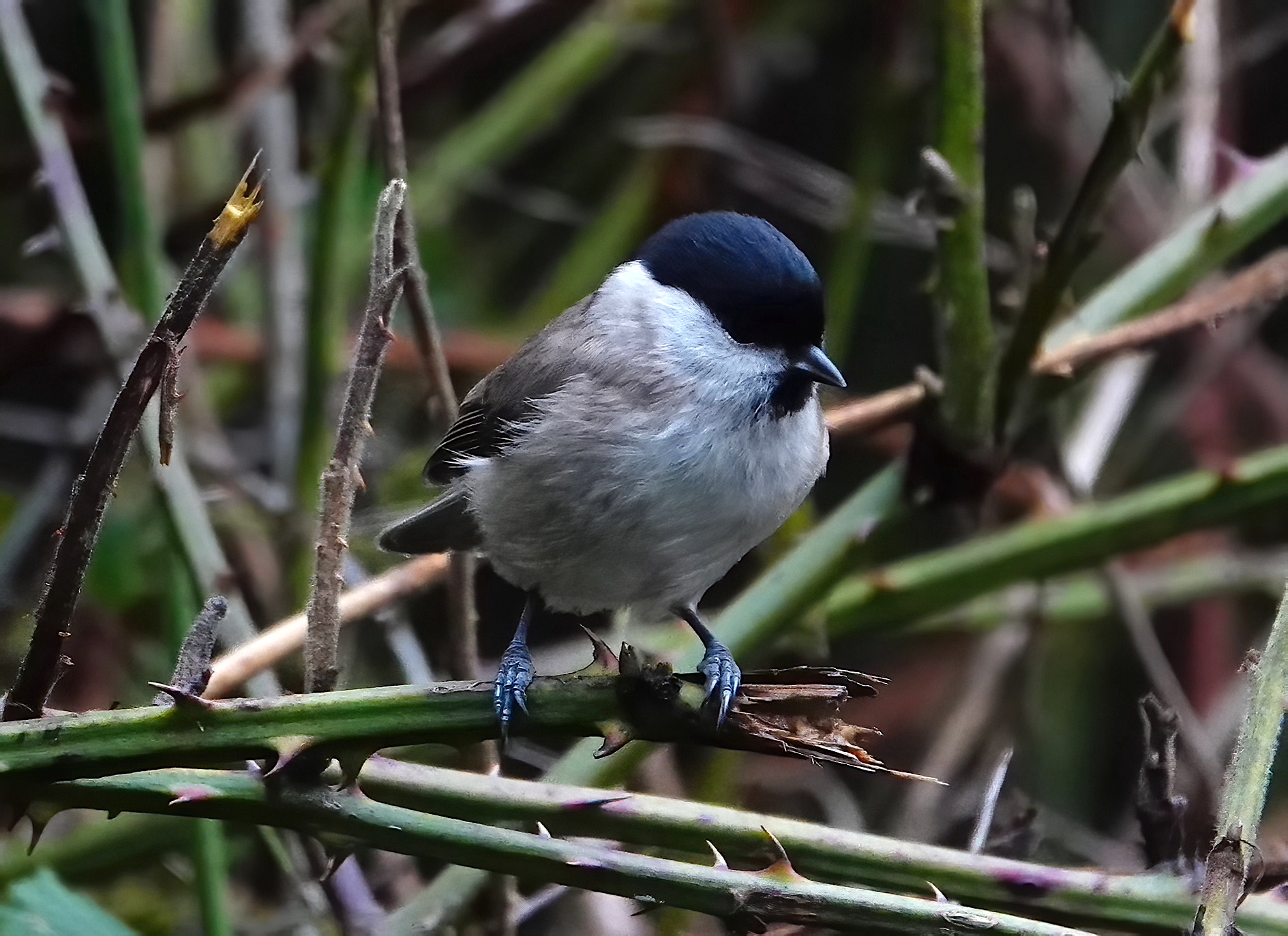
A circuit of Cosmeston this morning revealed around 50 flighty Redwings in the W paddock area, with a few Fieldfare in with them. They were very restless and none settled suitably to give a chance of any photos. There were 10 Pochard on W lake, plus a pair of Gadwall and on E lake there were about 200 Tufted Ducks sitting along the far shore of E lake, out of the wind. A Grey Wagtail was by Sully Brook opposite the medieval village. I guess it’s the same individual I’ve seen on 2 prev occasions recently, in other locations.

Cardiff Bay

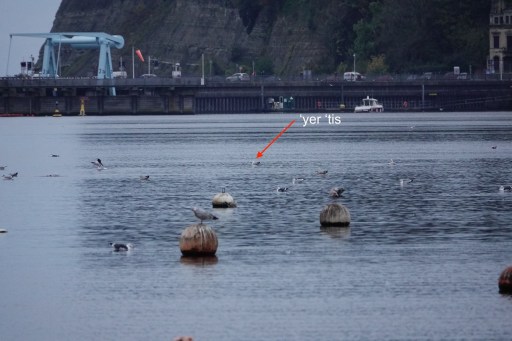
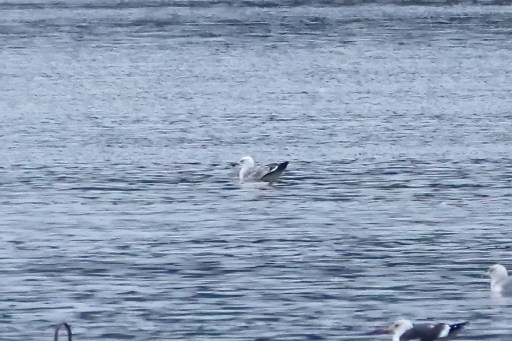
This afternoon at the wetland reserve boardwalk the female Ring-necked Duck was on show, although a scope was needed as it was about halfway along the stretch of water. Also the 2ndW Caspian Gull found yesterday by Gareth Stamp, was out in the bay [scope definitely needed!]. Fortunately Gareth turned up and got me on to it – pure snowy white head and long parallel-sided bill and some grey on the upper parts. Couple of noisy images below [the light was fading] to give some idea. The second image is cropped from the first and post processed a fair bit!

Field trip – Newton Point – Sat 27th Nov

A heads up re an upcoming trip on Saturday week, 27th Nov to Newton Point near Trecco Bay. I am away that weekend so Alan Rosney has kindly agreed to lead for me. Please let him know if you are coming – alanrosney@gmail.comThe start time will be 10 a.m. with high tide being at approx 11:34. The meet point is in Beach Road, Newton just outside, or in the Newton Beach car park – the car park address is 39 Beach Rd, Porthcawl CF36 5NH. This is a pay & display car park but we understand that the double yellow lines on Beach Road just outside, are not ‘active’ between October and May, so if there is room it is possible to park tidily there. It is about a 5 min walk from this location to Newton Point. If folk look at Google Maps there is a car park at the end of the road indicated as Trecco Bay Beach free car park, but a regular birder at this location says that this car park is randomly closed. This link shd give you a Google Maps page with the car park area showing:https://goo.gl/maps/S8BSA1TDWSCW8LY36 Beach Road runs past adjacent on your left to the church and graveyard in Newton. From the main road [Bridgend Road] take Clevis Crescent which then becomes Clevis Hill [quite narrow]. When the village green appears ahead take thed road visible ahead between the two trees. This is Beach Road. Have a good day. JDW

Cosmeston

Nothing too notable but those worth noting all began with ‘b’ – Blackcap (f), Bullfinch (m), Buzzard, oh and Blackbird!

Also a few Redwing by the lower Dovecote field by Sully Brook and there were 10 Moorhens out of the water foraging by the Swan area. John Wilson

Recent talk

Yesterday evening, 23 participants enjoyed an excellent talk via Zoom, by Naturetrek leader Tom Mabbett. It centered on his favourite locations in the UK, entitled “The best of Britain, Ardnamurchan to The Forest of Dean”. In fact it covered those two locations plus Spurn in E. Yorkshire, the Somerset Levels and a couple of locations in his local patch near Cheltenham. An interesting presentation by an clearly enthusiastic naturalist. Thanks to all who ‘attended’.
Many folk will have heard of Naturetrek, a UK based natural history tour company. During the peak Covid period they set up free online virtual tours to some of their destinations and also have a number of free online talks scheduled, which folk might find interesting. There are links to these below. The talk yesterday was one of another set of talks which are given for free, to suitable organisations or groups such as ours, by some of their leaders. Also of interest is the forest reserve set up in Ecuador using money from their carbon offset donations that are allocated for every individual making a trip with them. Rather like our own carbon offset collections for our trips except we won’t be creating an Ecuadorian rain forest!

Free online talks to sign up for: https://www.naturetrek.co.uk/news/naturetrek-online-winter-roadshow
Free virtual tours: https://www.naturetrek.co.uk/tour-focus/virtual-tours
The carbon offeset nature reserve in Ecuador: https://www.naturetrek.co.uk/about-us/the-naturetrek-reserve

Cosmeston

A tad late (been doing other stuff). Cosmeston a.m. – 2 Raven over W paddock, Water Rail squealing in the snipe enclosure, 37 Tufties & pr Gadwall W lake, 20 more Tufties E lake and 1 eclipse Shoveler, and 1 Grey Wag on path nr bird table. There were 5 Pochard on W lake y’day.

Cardiff Bay

A group of 12 participants on a GBC outing spent 4 hours visiting 3 sites in Cardiff Bay – the boardwalk by the Ice Rink, the wetland reserve, and then the Penarth Marina area and the south end of the barrage. At the Ice Rink boardwalk we had excellent views of 5 Goosander, which comprised 3 adult males an adult female and an immature male in a plumaghe most of us had not seen before. A large raft of Tufted Ducks was up towards the yacht club but despite a lot of scanning we couldn’t find the recent Ring-necked Duck, and there were plenty of Great Crested Grebes on show. A Grey Wagtail flew in and a Kestrel was hovering nearby. At the Wetland Reserve we added several Little Grebes, and heard Cetti’s Warbler and Water Rail. Four of us then went round to the Penarth Marina area and walked to the south end of the Barrage. A single Turnstone was along the R. Ely embankment by the marina, and 2 adult Common Gulls were on the orange buoys by the inner barrage sluices – a regualr spot for them but in much reduced numbers in recent winters. A total of 36 species were logged. Below are the Goosanders, left to right: imm male, adult female and adult male. Click each for a full size image. Click here for the full list.

Rhymney Est.- Green Point

Did my WeBS count this morning on a very high tide – most of Green Point was under water. Main counts were c200 Dunlin and a big roosting flock of c2500 Redshank. The only other waders were 11 Oystercatcher. Pintail numbers were low, with just 24 present with 45 Mallard, and surprisingly just a couple of Shelduck that I could see. There were about 30 Shoveler and a few Teal. A flock of 50 Fieldfare flew over the Lamby landfill, 6 Canada Geese flew in and there were single Kestrel and Buzzard.

The hightlight tho’ was a large lump noted in the water offshore as I scanned for Shelduck, which turned into a very large bull Seal.! It dived and surfaced a few times and lazed with its head pointing skywards but then after another dive it disappeared and I could not relocate it.

Cosmeston a.m.

A few Redwing around, some in trees by the bird table and others in trees just beyond the dragonfly pond. A Mistle Thrush and 2 Green Woodpeckers were in W paddock. On W lake there were 24 Tufted Duck sticking v close together with a flotilla of Coot, and there was a pair of Gadwall, all very distant. Whilst I was on the Mile Road and flock of 10 Skylark flew over, calling and quite low, and at the exit of W paddock near the Mile Road there were 2 Goldcrest that avoided being photographed!

Cardiff Bay [since Sat 30th]

Nothing has been posted here but on Saturday a very large falcon sp was spotted near Morrisons by Mathew Meehan. It settled on the Watermark block of apartments and was thought to be an imm Gyr Falcon. It appeared to have no jesses or bells but its provenance is open to discussion. It was found in the adfternoon and seen until fairly late. It was reported again today up until 1 p.m. in the same location at the top LH corner of the apartments where there’s a canopy supported by grey griders. I went at 3:15 but it had not reappeared by 4:45.