
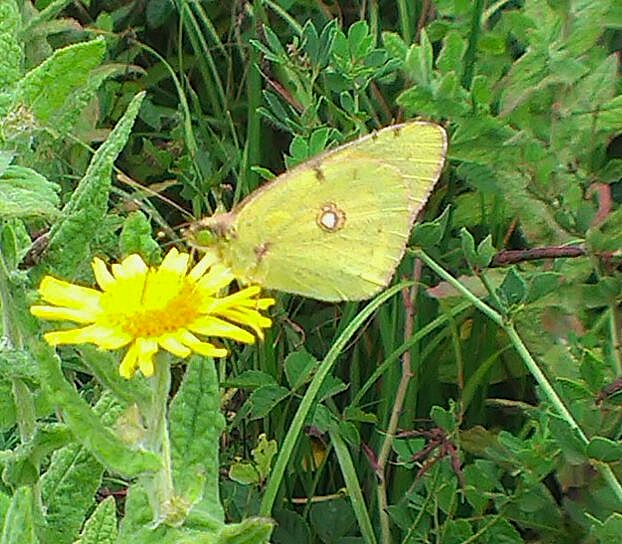
Visited again solo – thought the rain might’ve grounded a few bits & bobs. Nowhere near as many hirundines as yesterday. Birch tree by Church House had at least 6 Chiffchaff, 1 fem Blackcap and 2 Long-t-Tit. Coat path had 1 County Recorder :-), 1 male Blackcap briefly, 1 fem/imm Common Whitethroat and a few Goldfinch. Also 1 Holly Blue pointed out to me my DRWG, and I also saw a Clouded Yellow in the fenced off scrubby paddock behind the big house.
Category: Sightings
Tutt Head / Limeslade / Mumbles Hill
A dark morph Arctic skua was chasing kittiwakes off Tutt Head and Limeslade at 07:00.
Wheatears on Mumbles Hill and at Tutt Head.
Early morning movement of meadow pipits across the bay (c. 30-40), then swallow numbers started to pick up with c. 80-100 east in 20 minutes (while searching the scrub on the hill for migrants).
Lavernock
GBC trip to Lavernock Pt and WT Reserve – highlights [8 participants]
Lavernock Pt & coast path – very many hirundines – est. 1000+ mixed Swallow, House- and Sand Martin, Sky Lark 4, Linnet 40, Blackcap 3, Chiffchaff 10, Stock Dove 4, Whitethroat 1, Common Scoter 4 d/c past the point plus other common stuff.
Lavernock WT Reserve – 4 Clouded Yellow and 1 Small Copper but very few birds. Flock of about 50 House and Sand Martin.
Here’s a cropped phone pic of one of the Clouded Yellows:
Sker Point
159 oystercatchers, 22 turnstone and 14 curlew were on and near Ffynon-wen rocks. A single yellow wagtail was feeding with some of Tony Evans’ Welsh Black cattle and a sedge warbler was skulking in some branched bur-reed at Sker Pool. Plenty of autumn ladies tresses were in flower on the short coastal turf at Sker and Pink Bay
Cardiff Bay
6 turnstones around the Bay shore near the Senedd this morning. 1 teal at CBWR.
Cardiff Bay – Watermark apartments
Very surprised to see a Willow Tit in the scrub outside the apartments this morning, still there at 10:40 when I left.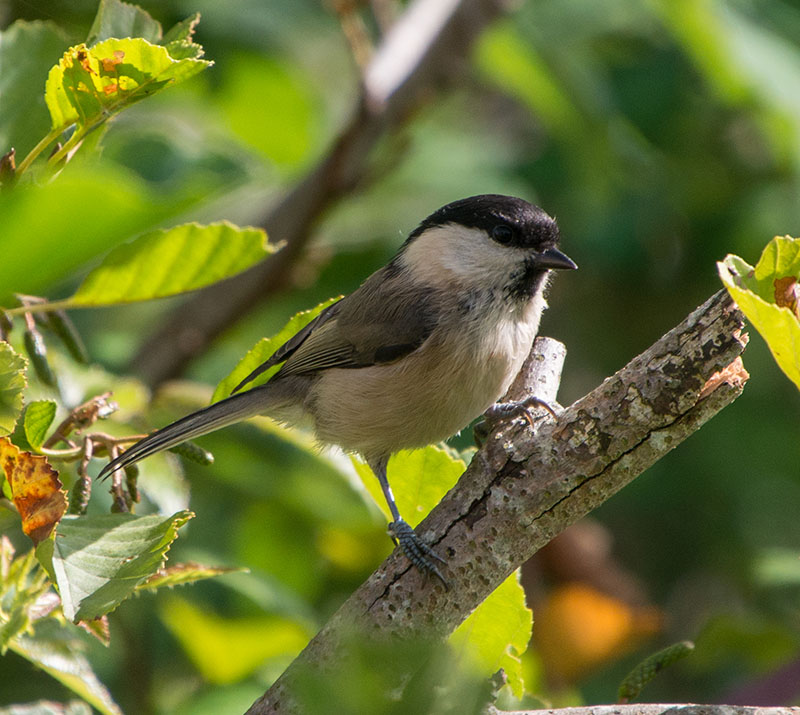
Cardiff
Ice Rink: m. Common Scoter still present this am but flew off to the sea-ward side of the barrage at 12.30pm.
Penclawdd
The juvenile Marsh Harrier is still present, watched hunting the marsh straight out from the car park this morning – later seen on the Carms side of the estuary at Penclacwydd (Wendell Thomas et al). I presume this is the same bird first seen by Mike Piercey on 23 Aug and subsequently by Owen Leyshon, Owain Gabb, Wendell Thomas, etc.
Birds in Wales
The latest issue of Birds in Wales (the journal of the Welsh Ornithological Society) is out now and contains two papers relating to birds in Glamorgan
Life of the edge – the changing fortunes of Dartford Warblers in Glamorgan (Paul Roberts)
Population size, ecology and movements of gulls breeding on Flat Holm Island (Viola Ross-Smith et al.)
Each volume of Birds in Wales cost £7 pounds each but as a member you receive two volumes a year plus the Welsh Bird Report for £15 – bargain! http://www.birdsinwales.org.uk/membership/membership.htm
Cosmeston
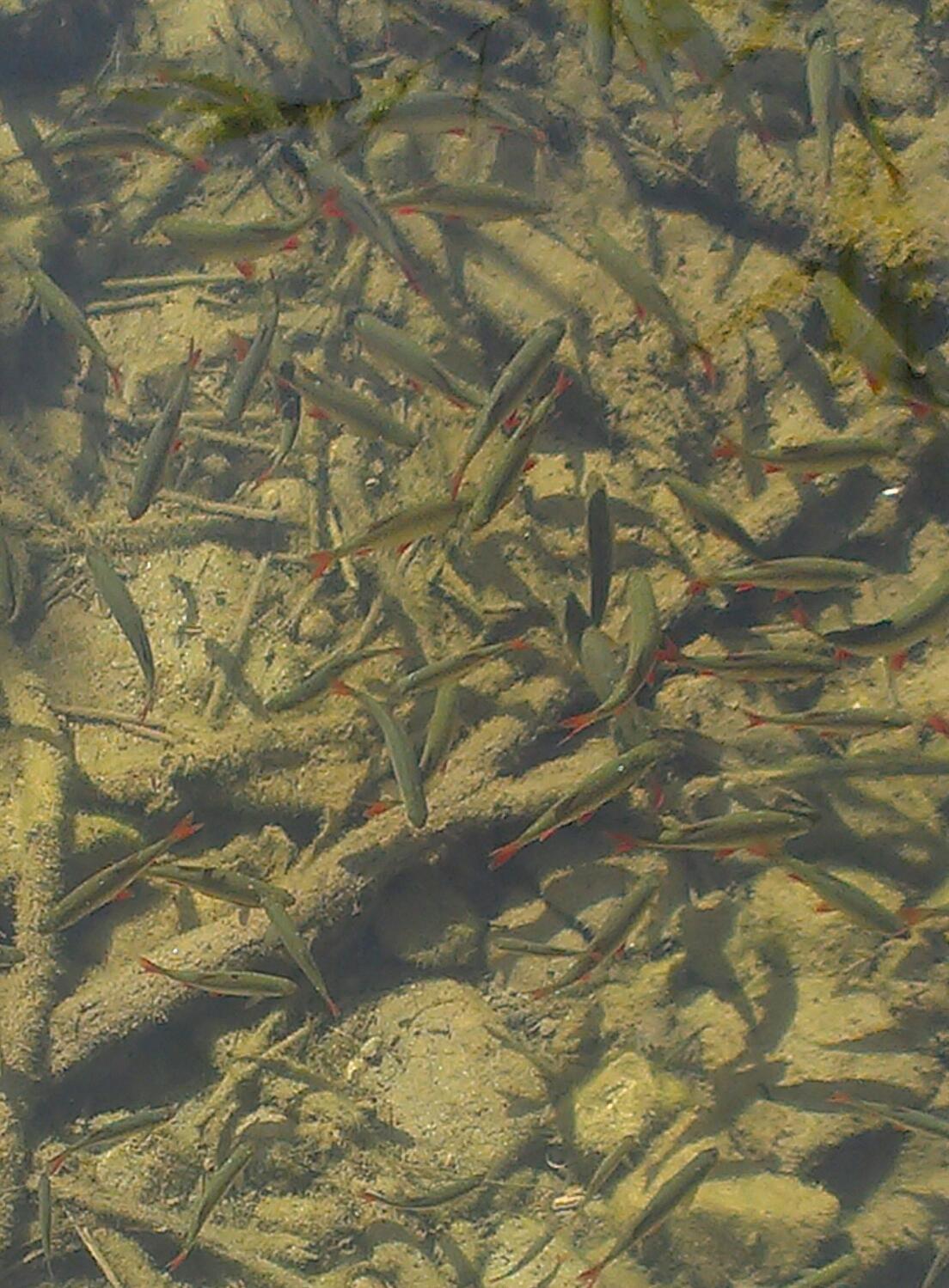
The Marsh Tit was by the dragon tree in Cogan Wood again this morning. 12 Tufties present. o/w pretty quiet. There’s also lots of these which I think are Rudd as they do surface feed. There were also lots of ‘blue’ dragonflies which I took to be Migrant Hawkers – does that sound poss?
Lisvane Reservoir
1 green sandpiper on the East shore this morning, lots of grebes (13 little and 14 great crested) and a greylag among 36 Canadas.
Nantgarw
There are currently seven species on my bird feeder – Siskin, Nuthatch, Great Tit, Blue Tit, Chaffinch, Coal Tit and Goldfinch (with Bullfinch hanging around too). By far the most aggressive are the Siskins.
Kenfig West
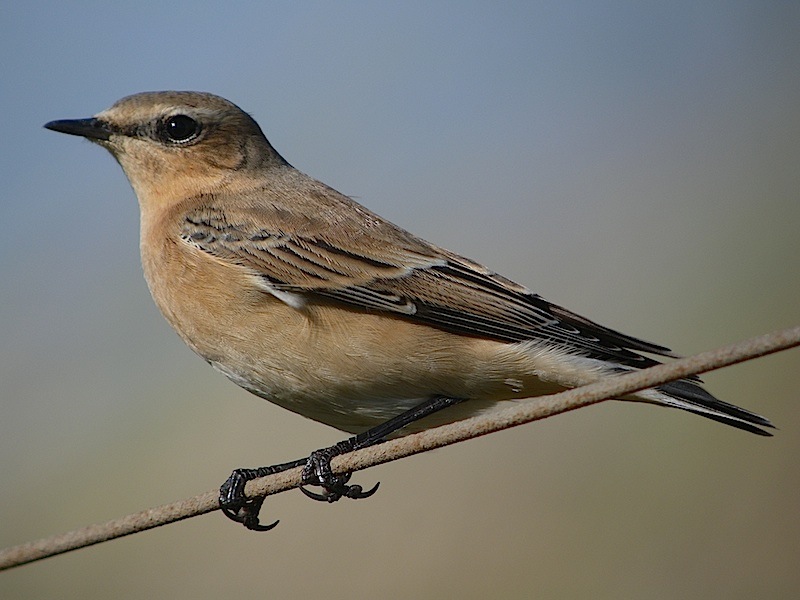
River marsh this evening: 1 pintail, 1 wigeon, 18 teal, just 8 mallard, 1 greenshank (later flew to Morfa tip long pool), 3 little grebe, 8 lapwing, 1 kingfisher, 2 juv wheatears around the dunes.
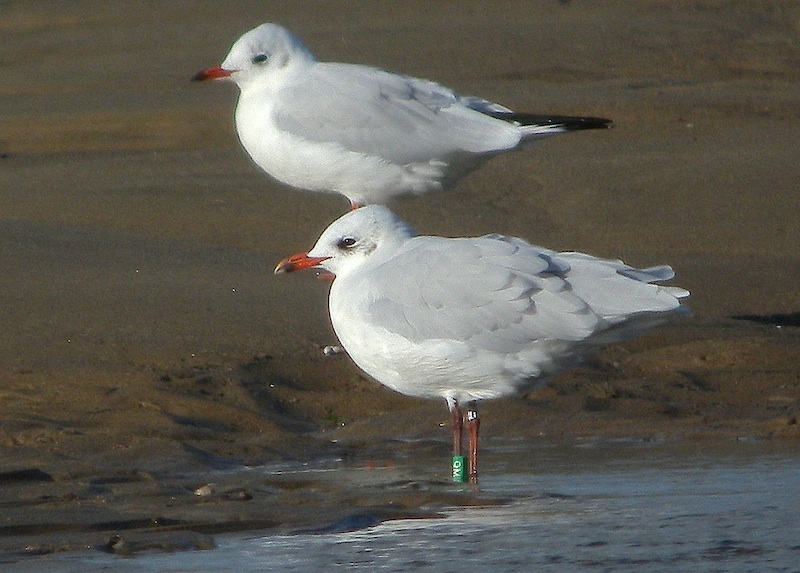
Foreshore (low tide): 56 sanderling, 1 curlew, 21 oystercatchers, 2 Mediterranean gulls (ad and subad; the adult was green ringed on left leg, white letters = 9M or W6, but other letter(s) underwater!), 4 GBB gulls.
Garnwen
At least 2 spotted flycatcher still present also a few chiffchaff and willow warbler and 1 female blackcap
Mynydd ty talwyn, Llangynwyd.
7 Whinchat this aft.
Gorseinon
To my surprise there were 2 peregrines on the Tower this morning sitting next to each other..
Around Glamorgan
Lisvane (today): 1F teal and an influx of 17 little grebes, 2 pochard, 88 tufties, 32 coots, 24 mallards, 8 gc grebes, 1 heron, 6 sand martins in a mixed flock of c80 hirundines, raven and siskin over.
Llanishen (today): 2 mute swans, 2 herons, 2 mute swans, 8 mallards, jay and chiffchaff.
Roath Park Lake (today): 1F wigeon, 2F teal, 2 little grebes, 1 kingfisher, and the Chairman of the RSPB jogging past. No sign of Friday’s shoveller.
CBWR (4th Sept.): ad winter mediterranean gull on the boardwalk railings.
Rhaslas (5th Sept.): 11 tufties, 16 pied wags and 5 wheatears feeding along the shoreline, but no waders. A small turtle basking on a piece of wood in the small pond at the car park has been identified (by Dave Boyle) as a Map Turtle, Graptemys geographica. 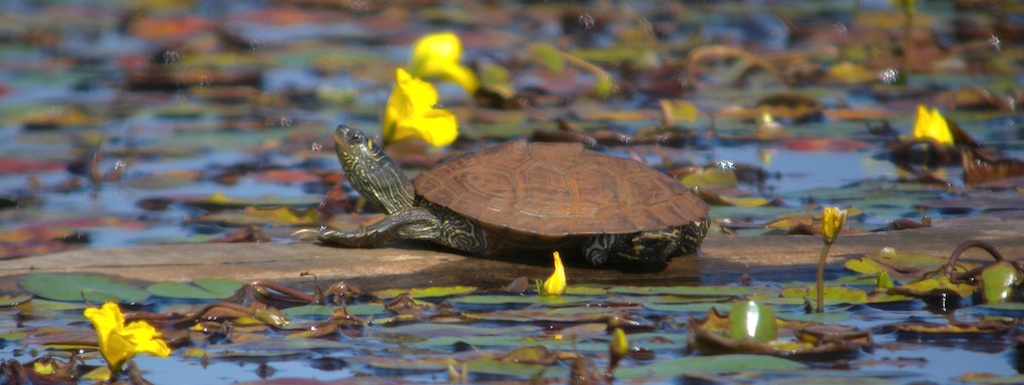
OOC -Spurn Migration Festival
Highlights yesterday Red Backed Shrike, Wryneck and Common Rosefinch
Also Arctic Skua, Common, Arctic and Sandwich Terns. Curlew Sandpiper, Wheatear, Whinchat, Wigeon, Shoveler, Barwit and one late Swift.
Today at Blacktoft Sands on way back : Little Stint, Hobby, Marsh Harrier, Greenshank, Spotshank, Ruff, Curlew Sand and Tree Sparrow.
JD and TA
Monknash
A flock of around 70 Yellow Wagtails was around Clawdd-y-mynach Farm this afternoon, otherwise fairly quiet.
Weobley waders

For anyone interested in going out to the Weobley Triangle this autumn it’s worth noting the main small wader flocks were active in the areas shown blue, even after the tide had dropped well below these areas. I suspect birds are active in these areas at all states of tide (other than above mean high). Today the flocks were made up mostly of Dunlin c1,000 & Ringed Plover 300 with Little Stint 1, Curlew Sand 1 (3 seen earlier by Chris) and a few few other odds and sods. At high tide the triangle is the preferred spot for birds, but beware if you don’t know the area, it’s easy to be cut off by the creeks, so best to stay on the causeway on an incoming tide. The yellow line shows the route taken by Neil, Sand & myself, a nice round 6km, wellies essential!
 Glamorgan Bird Club
You must be logged in to post a comment.